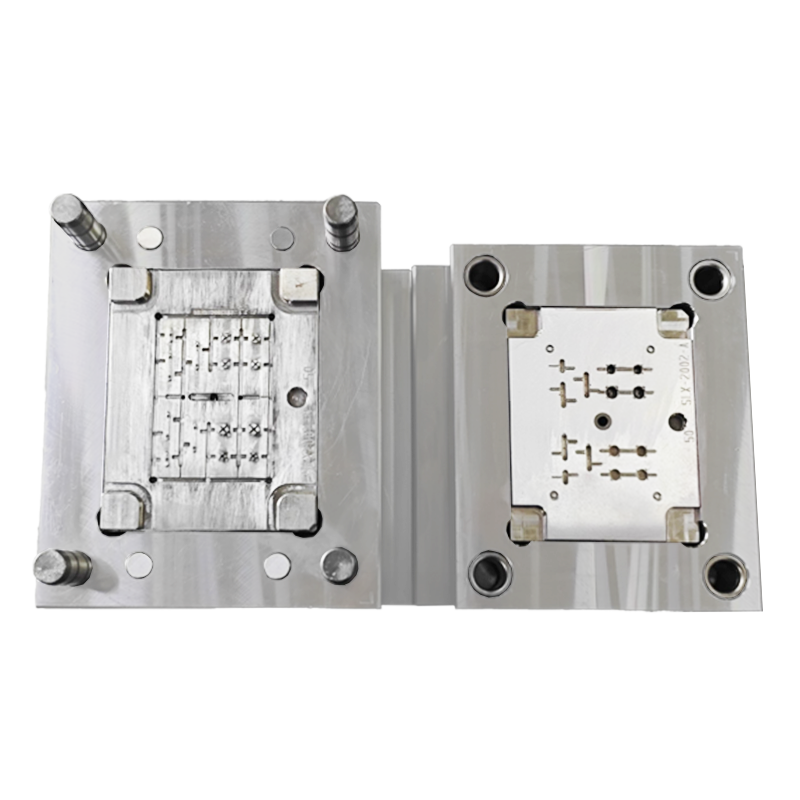
Why Plastic Mold Polishing Is Non-Negotiable for High-Quality Plastic Parts: Benefits, Comparisons, and Best Practices
Plastic mold polishing enhances surface smoothness, eliminates defects like scratches, and ensures high-quality, blemish-free plastic part production with precise finish control.
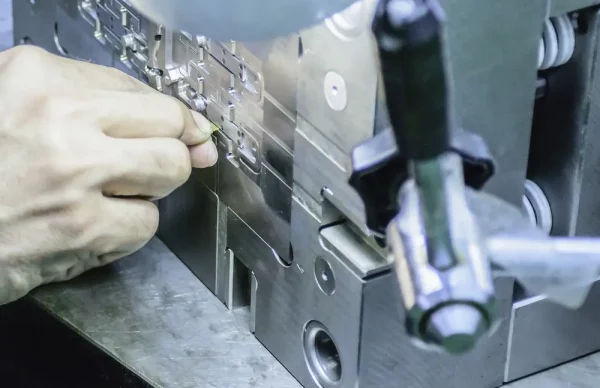
Table of Contents
- Introduction
- The Critical Importance of Plastic Mold Polishing
- Key Benefits of Plastic Mold Polishing
- Plastic Mold Polishing vs. Polishing for Other Mold Materials
- Factors That Influence Effective Plastic Mold Polishing
- Conclusion
1. Introduction
2. The Critical Importance of Plastic Mold Polishing
2.1 Surface Finish & Aesthetic Appeal
- Visible scratches or uneven textures.
- Poor light reflection (making parts look dull or unprofessional).
- Inconsistent color absorption (for painted or dyed parts).
2.2 Part Functionality & Performance
- Sticking: Molten plastic adheres to rough mold cavities, leading to incomplete part release, warping, or even mold damage.
- Fluid Resistance: For parts like pipes, valves, or fluid channels, rough surfaces increase friction and disrupt flow—reducing efficiency or causing leaks.
- Wear & Tear: Rough edges on parts (e.g., gears or hinges) wear down faster, shortening the product’s lifespan.
2.3 Extended Mold Longevity
- Corrosion: Micro-crevices in unpolished surfaces trap moisture and plastic residue, leading to rust or degradation.
- Abrasion: Molten plastic flowing over rough surfaces wears down the mold cavity over time, requiring frequent repairs or replacements.
- Residue Buildup: Plastic sticks to rough surfaces, forcing manufacturers to stop production for cleaning—increasing downtime and reducing productivity.
3. Key Benefits of Plastic Mold Polishing
- Enhanced Product Quality: Polished molds produce parts with consistent surface finish, no defects, and better dimensional accuracy—reducing 废品率 (scrap rates) by up to 25%.
- Faster Production Cycles: Smooth mold surfaces allow for faster 脱模 (demolding) times, as plastic doesn’t stick to the cavity. This can increase production output by 10–15%.
- Lower Maintenance Costs: Polished molds require less cleaning and fewer repairs, cutting down on maintenance time and expenses.
- Regulatory Compliance: For industries like medical, automotive, or aerospace, polished parts meet strict surface finish standards (e.g., ISO 8785 for plastic parts), avoiding costly compliance issues.
- Competitive Advantage: High-quality, polished parts differentiate a brand from competitors, leading to higher customer loyalty and repeat business.
4. Plastic Mold Polishing vs. Polishing for Other Mold Materials
4.1 Comparative Analysis: Plastic vs. Metal vs. Ceramic Molds
| Criteria | Plastic Mold Polishing | Metal Mold Polishing (Steel/Aluminum) | Ceramic Mold Polishing |
|---|---|---|---|
| Hardness & Polishing Difficulty | Plastic molds are softer (e.g., P20 steel, aluminum alloys for plastic molds), making polishing faster and easier. No need for heavy-duty abrasives. | Metal molds are much harder (e.g., H13 steel), requiring specialized tools (e.g., diamond grinding wheels) and more time. Polishing is labor-intensive. | Ceramic molds are extremely hard (e.g., alumina ceramic) but brittle. Polishing requires ultra-fine abrasives and careful handling to avoid cracking. |
| Cost (Material & Labor) | Lower cost: Softer materials reduce abrasive wear, and faster polishing cuts labor time. | Higher cost: Harder metals require expensive abrasives and skilled labor. | Highest cost: Brittle ceramic requires specialized equipment and slow, precise polishing to prevent damage. |
| Heat Resistance During Polishing | Plastic molds have lower heat resistance (e.g., max 200–300°C). Polishing must use low-heat methods to avoid warping. | Metal molds tolerate high heat (e.g., up to 800°C), allowing for faster, high-heat polishing techniques. | Ceramic molds tolerate high heat but are prone to thermal shock—polishing must use gradual temperature changes. |
| Post-Polishing Durability | Good durability for low-to-medium production volumes (10,000–100,000 parts). | Excellent durability for high-volume production (100,000+ parts). Polished metal surfaces resist wear better. | Very good durability but prone to chipping if mishandled. Best for high-temperature applications (e.g., thermosets). |
| Ideal Applications | Consumer goods, low-volume medical parts, prototypes. | Automotive components, high-volume medical devices, electronics. | High-temperature plastic parts (e.g., engine components), aerospace parts. |
5. Factors That Influence Effective Plastic Mold Polishing
- Mold Material Type: Different plastic mold materials (e.g., P20 steel, 718H steel, aluminum) have varying hardness levels. Softer materials (like aluminum) require finer abrasives to avoid scratching, while harder steels need more aggressive polishing steps.
- Polishing Technique: The process typically follows a “coarse-to-fine” sequence:
- Coarse grinding (to remove tool marks).
- Medium sanding (to smooth rough areas).
- Fine polishing (using diamond paste or buffing compounds for a mirror finish).Skipping any step can lead to uneven surfaces.
- Operator Skill: Plastic mold polishing is a precision craft. Inexperienced operators may apply too much pressure (causing mold damage) or use the wrong abrasives (leading to poor finish). Training and certification are essential for consistent results.
6. Conclusion
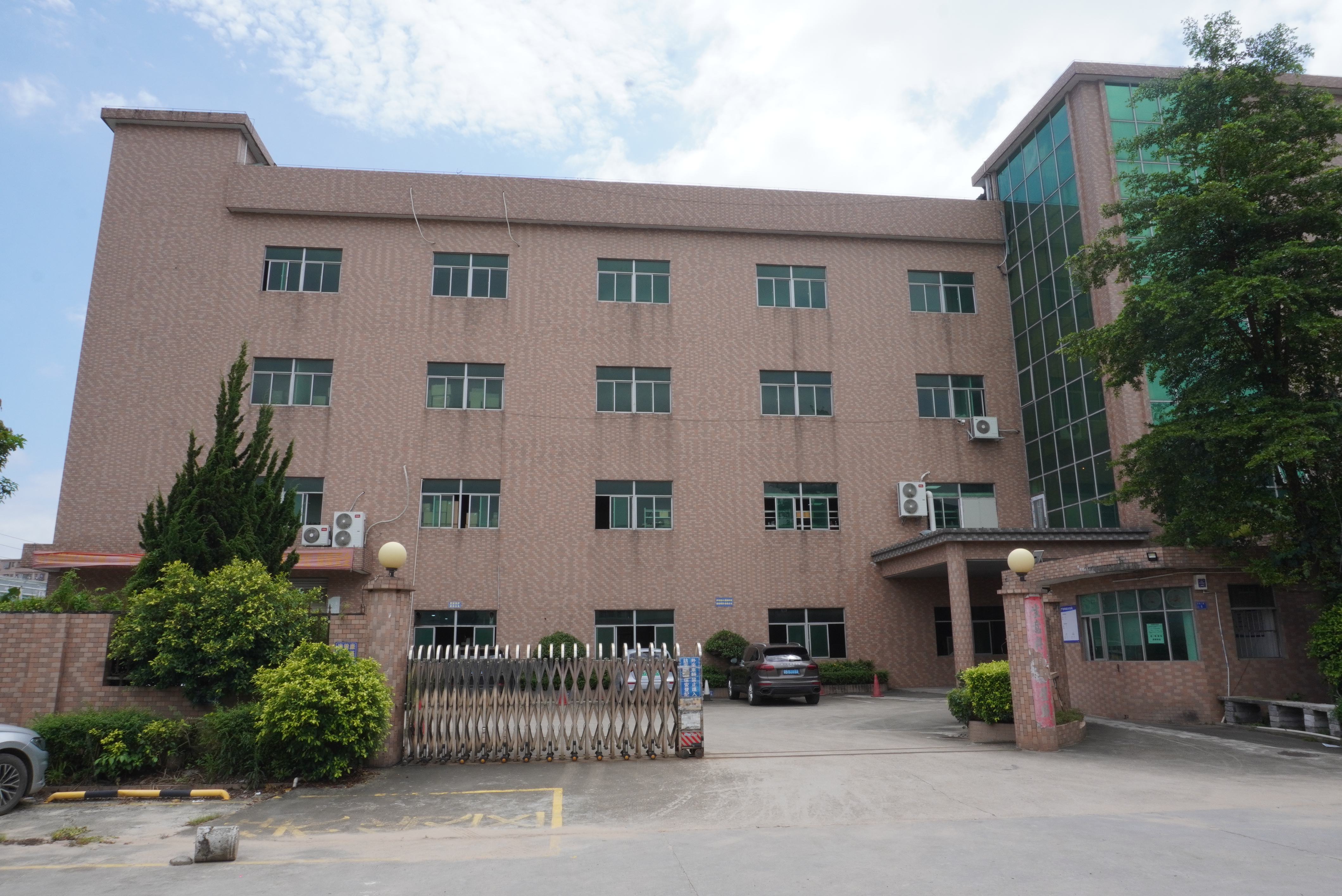
Dongguan Sanlixin Plastic Technology Co.,Ltd
Shenzhen Sanlixin Technology Co., Ltd. and Dongguan Sanlixin Plastic Technology Co., Ltd. is a manufacturer integrating precision plastic mold design, mold opening, single (double) color injection molding, IML injection molding processing, producing various single (double) color, IML process high-end appearance decorative structural parts, two-color buttons, USB dust plugs, panels and other plastic products, providing customers with fast, excellent, Midea all-round service, the company has 15 years of experience in precision plastic mold design, processing and production, with a variety of advanced machine injection molding equipment with excellent quality and fast service to win the trust and strong support of our customers.
H1: Custom Plastic Molding Cost: A Comprehensive Guide to Its Importance, Advantages, and Material Comparisons
IMD Molding Process: Streamlining Production of High-Quality Plastic Casings and Components