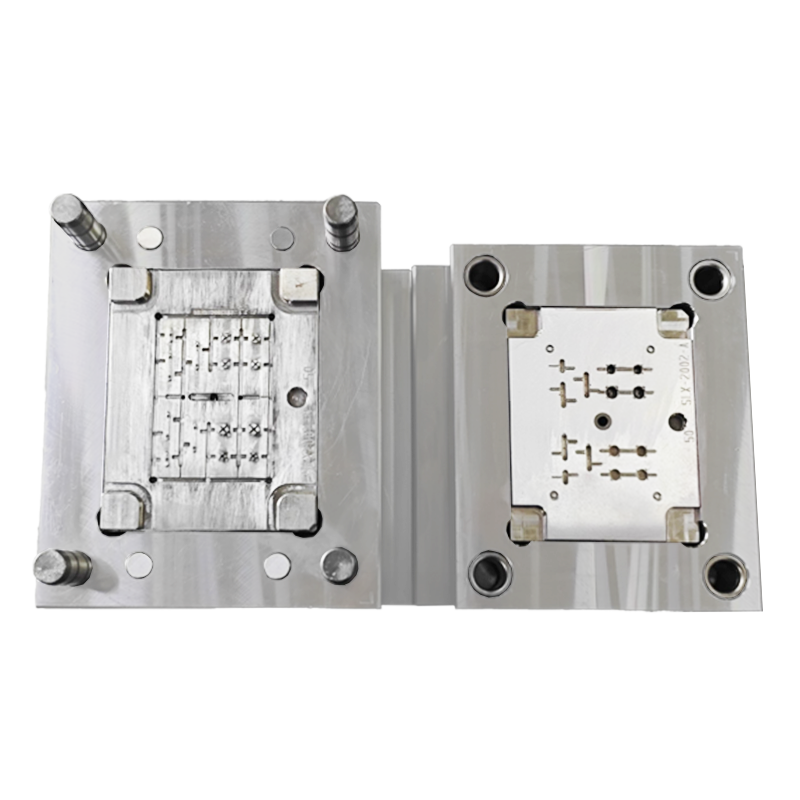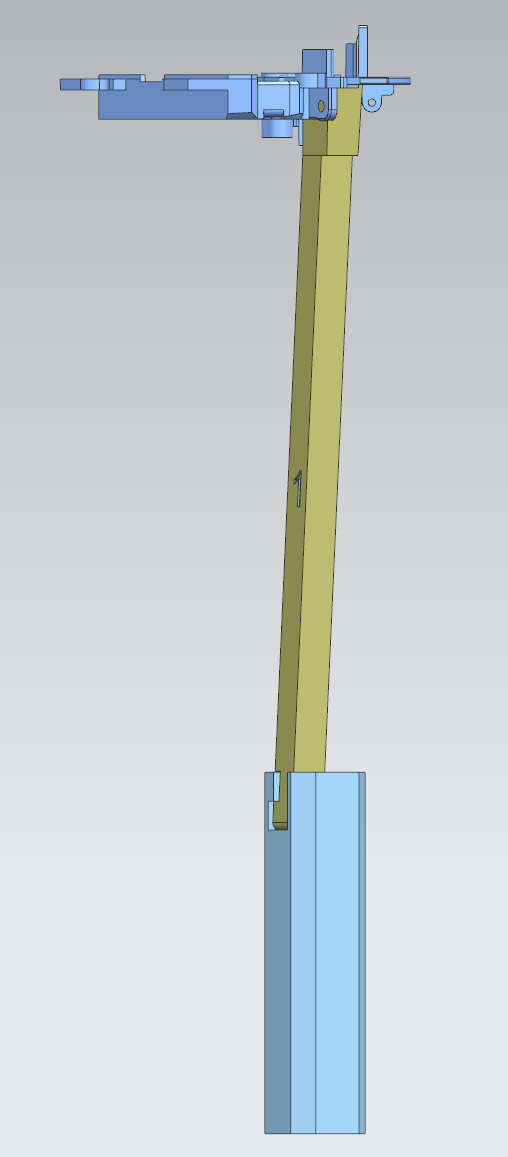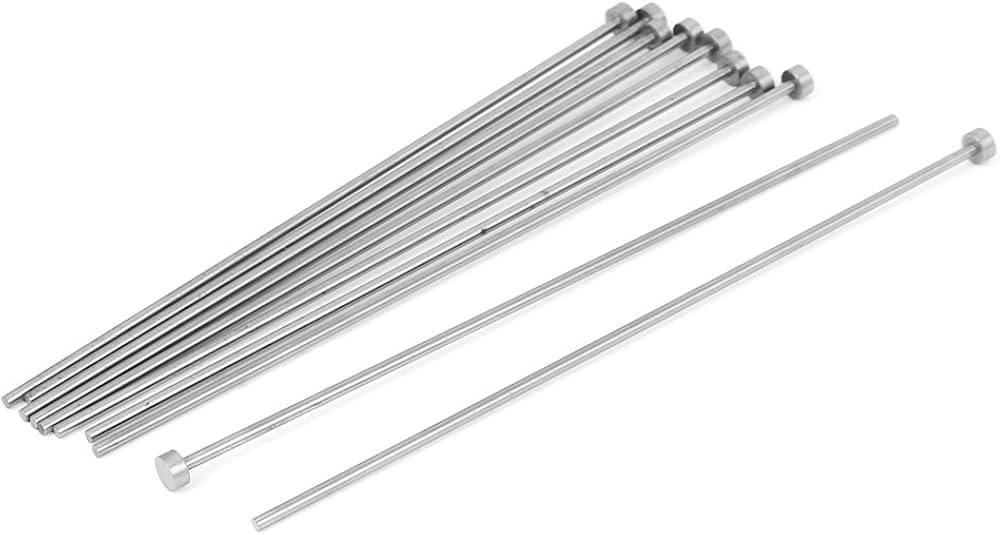
From mold flow analysis to structural optimization, how does Mold Design determine the competitiveness of your products? Decipher the mass production logic behind mold design.
Mold design is a crucial part of the process of customizing, opening, and mass - producing plastic molds. It directly affects the quality of the mold, production efficiency, product accuracy, and manufacturing costs.
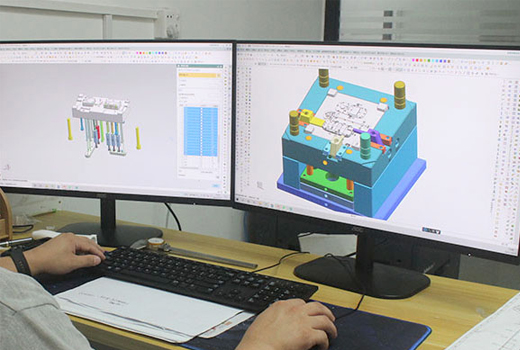
Table of Contents
- Introduction
- What is Plastic Mold Design?
- Key Stages in Plastic Mold Design
- How Plastic Mold Design Shapes Product Competitiveness
- Deciphering the Mass Production Logic in Mold Design
- Conclusion
Introduction
What is Plastic Mold Design?
- Plastic material properties (e.g., melt flow, shrinkage, thermal stability)
- Manufacturing processes (e.g., injection pressure, cooling rates)
- Mechanical engineering (e.g., mold structure, component durability)
- Cost efficiency (e.g., material usage, cycle time reduction)
Key Stages in Plastic Mold Design
Mold Flow Analysis: The Foundation of Informed Design
- Air traps (where air gets trapped in the mold, causing defects)
- Weld lines (weak points formed when two melt fronts meet)
- Sink marks (depressions on the part surface due to uneven cooling)
- Warpage (part distortion due to uneven shrinkage)
- Uneven filling (some areas of the mold fill faster than others)
Structural Optimization: Balancing Form, Function, and Manufacturability
- Functional performance: The part meets mechanical requirements (e.g., strength, flexibility).
- Manufacturability: The mold can produce the part efficiently with minimal defects.
- Cost-effectiveness: Reducing material waste, simplifying mold complexity, and shortening cycle times.
- Wall thickness uniformity: Prevents uneven cooling and warpage.
- Draft angles: Ensures easy part ejection from the mold, reducing wear on mold components.
- Ribs and bosses: Strengthen parts without excessive material use.
How Plastic Mold Design Shapes Product Competitiveness
-
Quality and Consistency:
A well-designed mold, validated via mold flow analysis and structural optimization, produces parts with minimal defects. Consistent part quality reduces scrap rates and rework, enhancing brand reputation. For example, in automotive components, even minor defects from a poor mold can compromise safety—making reliable mold design critical. -
Cost Efficiency:
- Reduced material waste: Optimized mold designs minimize excess plastic usage (e.g., through efficient runner systems).
- Lower tooling costs: Avoiding over-engineering (e.g., unnecessary complexity) reduces mold manufacturing costs.
- Shorter cycle times: Efficient cooling system designs (informed by MFA) speed up part solidification, increasing production output per hour.
-
Time-to-Market:
Mold flow analysis and structural optimization catch issues early, reducing the need for expensive and time-consuming mold rework. This accelerates the transition from prototyping to mass production, allowing products to reach consumers faster—a key advantage in fast-paced markets like consumer electronics. -
Design Innovation:
Advanced mold design techniques enable the production of complex geometries (e.g., thin-walled parts, integrated features) that competitors with outdated mold designs cannot replicate. This allows brands to offer unique, high-performance products.
Deciphering the Mass Production Logic in Mold Design
-
Repeatability: A well-designed mold ensures that every part produced is nearly identical. Standardized mold components, precise tolerances, and optimized cooling systems minimize variation, critical for industries like medical devices, where part consistency is non-negotiable.
-
Efficiency at Scale:
- Multi-cavity molds: Designing molds with multiple cavities allows simultaneous production of multiple parts per cycle, drastically increasing output.
- Automation compatibility: Molds are designed to integrate with robotic systems for automated part ejection and mold cleaning, reducing labor costs and human error.
- Durability: Molds are built with high-strength materials (e.g., tool steel) to withstand thousands (or millions) of cycles, ensuring long-term production viability.
-
Cost Scalability: As production volume increases, the fixed cost of mold design and manufacturing is spread across more units, lowering the per-unit cost. A poorly designed mold, however, can reverse this—high scrap rates or frequent breakdowns make scaling production expensive.
Conclusion

Dongguan Sanlixin Plastic Technology Co.,Ltd
Shenzhen Sanlixin Technology Co., Ltd. and Dongguan Sanlixin Plastic Technology Co., Ltd. is a manufacturer integrating precision plastic mold design, mold opening, single (double) color injection molding, IML injection molding processing, producing various single (double) color, IML process high-end appearance decorative structural parts, two-color buttons, USB dust plugs, panels and other plastic products, providing customers with fast, excellent, Midea all-round service, the company has 15 years of experience in precision plastic mold design, processing and production, with a variety of advanced machine injection molding equipment with excellent quality and fast service to win the trust and strong support of our customers.
From Molds to the Sky: How Injection Molding Makes Drone Parts Both Lightweight and Strong?
Focus on Mold Maintenance: Extend Equipment Lifespan and Reduce Enterprise Costs