Parts of an Injection Mold: Exploring Their Components and Design
Parts of an Injection Mold: Exploring Their Components and Design
Injection molding is a widely used manufacturing process in a range of industrial applications. The mold is an important part of the injection molding setup. It houses the cavity inside which the molten material is filled and cooled down until it takes its final form.
Injection molds have a complicated design procedure owing to their critical function and extreme working conditions. There are numerous injection mold components that engineers must take into account during design and the process. In this article, we will highlight the purpose of various injection mold parts and discuss the material selection for their manufacturing.
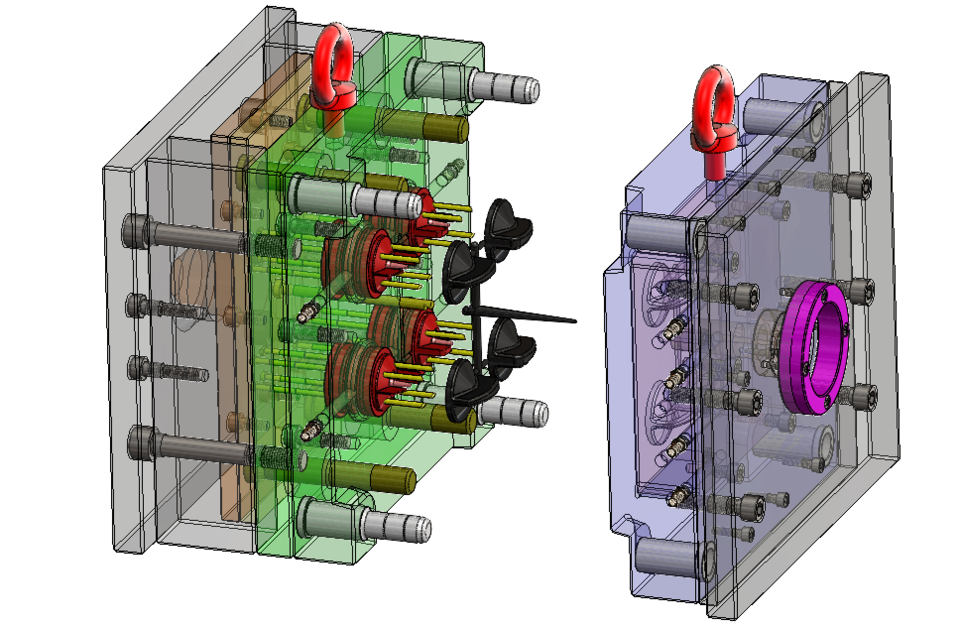
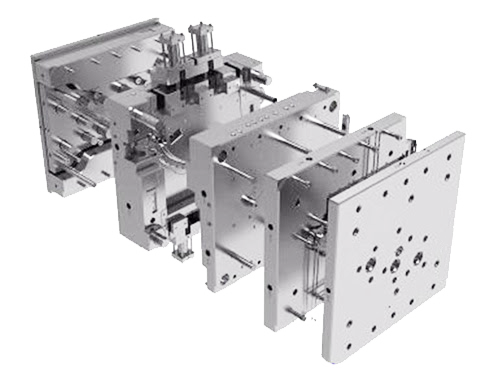
Mold Base
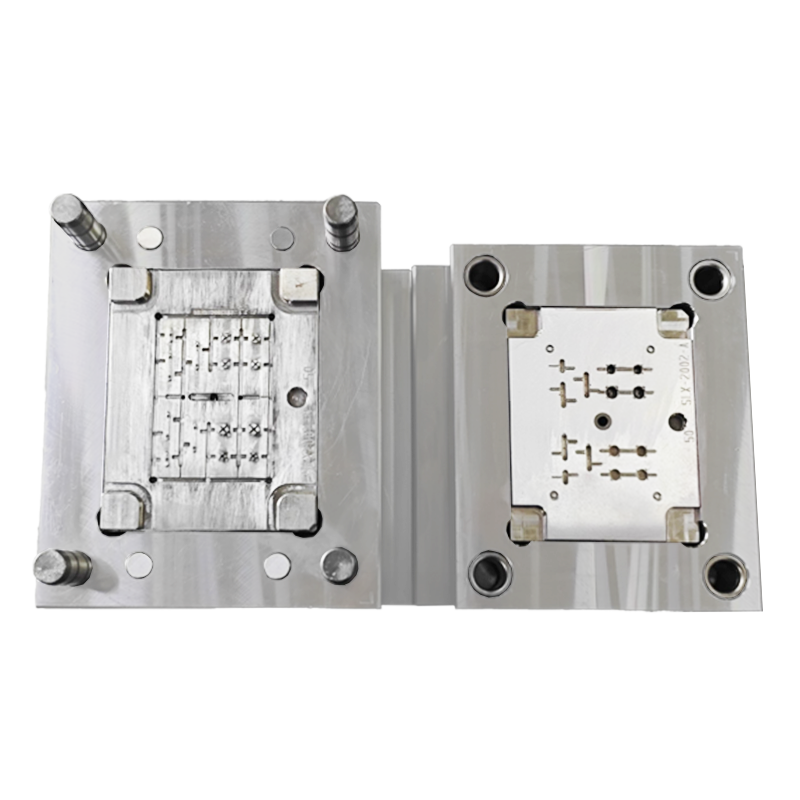
The cavity is one half of the mold which shapes the external features of the part. By external features, we mean the features that are visible to the user. Thus, the cavity is the component of the mold that gives the part its surface finish and external texture.
The core is the other half of the mold. It is responsible for creating internal features such as holes and recesses. The surface finish may not be the top concern for this side due to the internal features, but it is pertinent to mention here that this is not a hard and fast rule.
Inserts are special injection mold components that are separately placed inside the cavity to create specific geometric features in the molded part. They are individual components. That is, they are not a part of the core and cavity halves of the mold.
The sprue bushing and nozzle act as the interface between the mold and the feeding system. This is the entry point of the molten plastic into the mold.
The sprue bushing injects the molten plastic into the runner system. This is a distribution network that guides molten plastic to the cavity in a seamless, uniform way. Its function becomes very important when multi-cavity molds are used, where the equal and swift distribution of raw material is critical for molding efficiency.
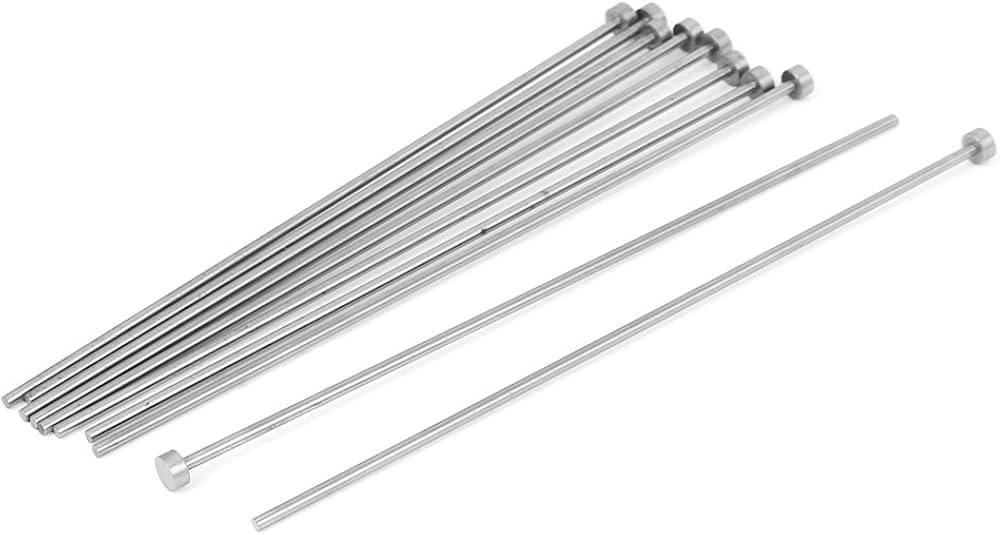
The ejector pins come into play when the molding process ends. After the part solidifies and is ready for ejection, the mold opens. However, due to the pressures and surface tension between the part and the cavity surface, they stick to each other and need a force for proper ejection.
The cooling system, as the name suggests, is responsible for keeping the temperature of the mold under control. It includes a circuit of cooling channels circulating throughout the different parts of an injection mold. Mainly, they cover the areas in the vicinity of the cavity holding the molten plastic.
Venting System
The venting system is arguably among the critical injection mold components. The cavity is an enclosed space filled with air and gases. These create air pockets in the part, deteriorating its quality and appearance. Moreover, certain plastics also generate compounds that are not healthy for the mold.
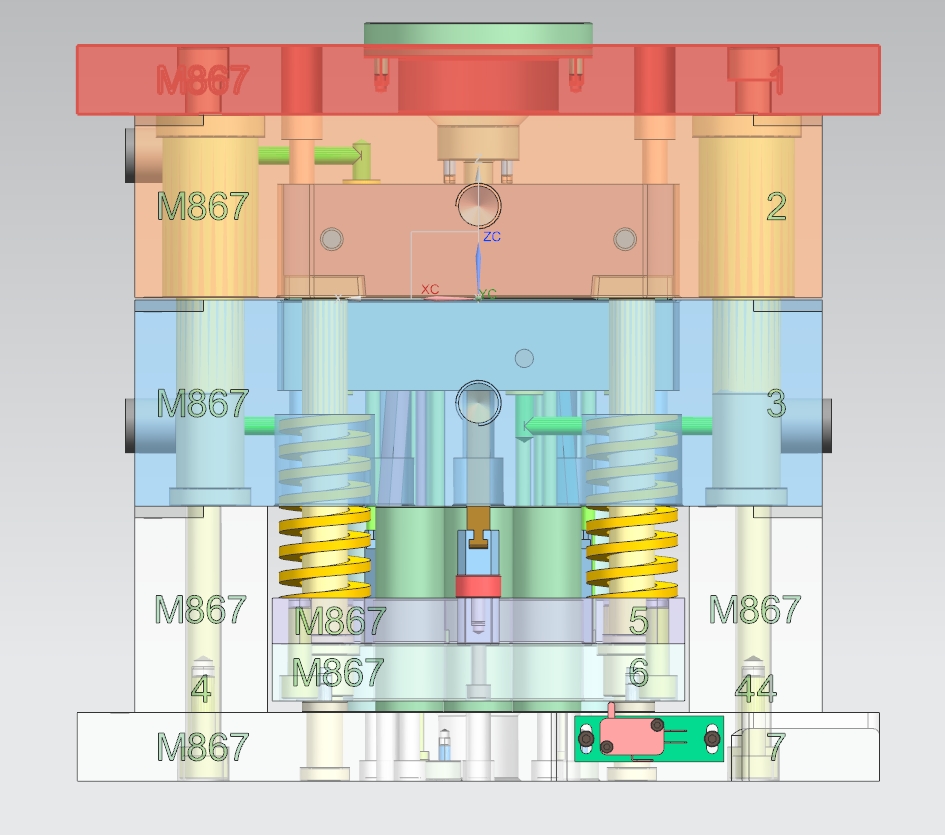
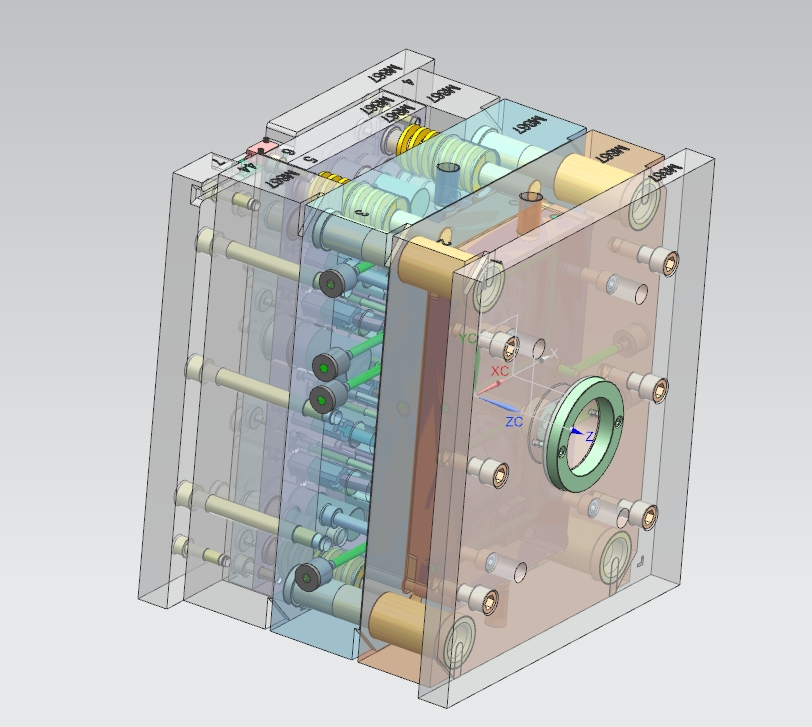
Mold interlocks are injection mold parts that ensure proper locking and alignment of other injection mold components. Mainly, this refers to the cavity and core halves of the mold. Without adequate interlocking, the chances of molding errors like flashing, warping, and dimensional errors increase significantly.
The interlocks can mean a range of locking features in the mold part like pins, grooves, and slots. Their actuation can be mechanical or hydraulic. Hence, there is no specific definition for mold interlocks, but their common purpose is well-understood.
The guiding system ensures that the various injection mold parts assemble with precise alignment. It consists of guiding pins and bushing on the mold halves that fit together to locate the parts with each other.

Dongguan Sanlixin Plastic Technology Co.,Ltd
Shenzhen Sanlixin Technology Co., Ltd. and Dongguan Sanlixin Plastic Technology Co., Ltd. is a manufacturer integrating precision plastic mold design, mold opening, single (double) color injection molding, IML injection molding processing, producing various single (double) color, IML process high-end appearance decorative structural parts, two-color buttons, USB dust plugs, panels and other plastic products, providing customers with fast, excellent, Midea all-round service, the company has 15 years of experience in precision plastic mold design, processing and production, with a variety of advanced machine injection molding equipment with excellent quality and fast service to win the trust and strong support of our customers.
Custom Plastic Injection Molding: Weighing the Pros and Cons
Custom Injection Molding: Revolutionizing Manufacturing Across Industries