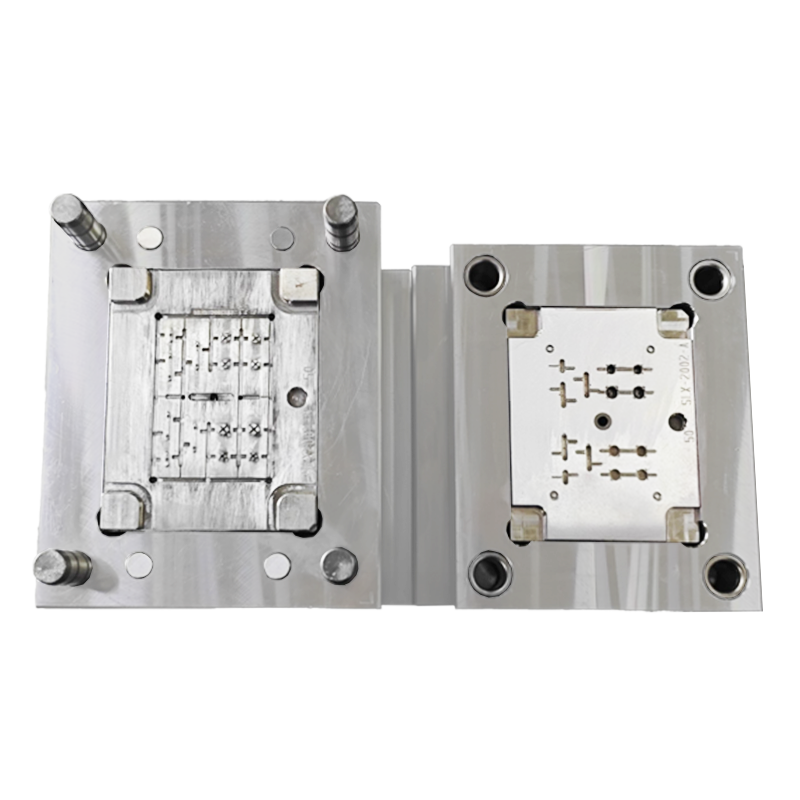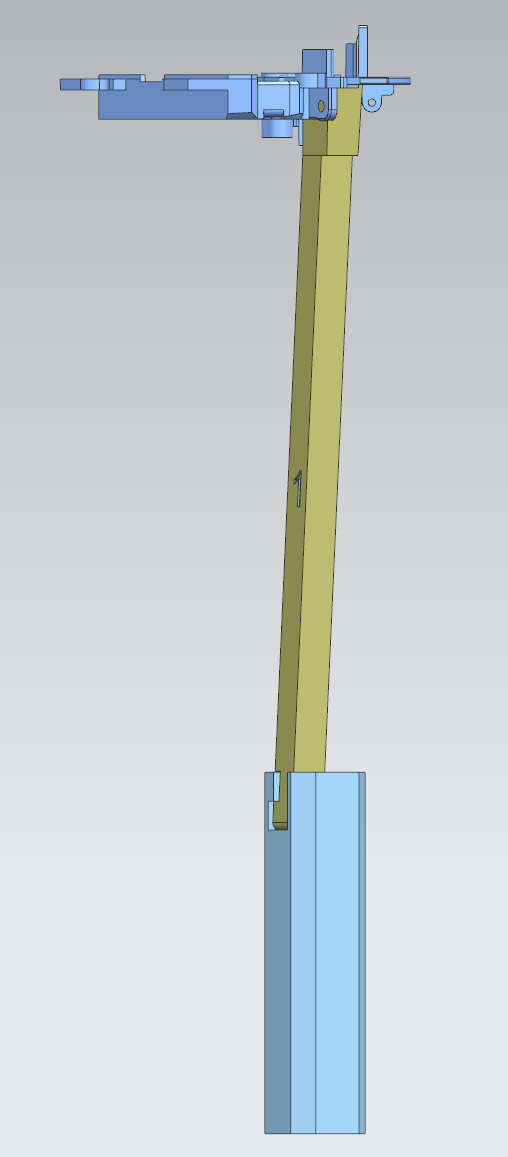
Cold runner: An injection molding production solution suitable for simple structures
Cold runner systems use solidified plastic runners that need manual removal, suitable for low-volume production with simple structures and lower costs.
Table of Contents
Introduction
What is a Cold Runner System?
Definition
Components
- Sprue: The primary channel connecting the machine nozzle to the mold.
- Runners: Secondary channels branching from the sprue to individual cavities.
- Gates: Small openings where molten plastic enters the cavity.
How It Works
The Role of Hot Runner Systems in Molding
Definition
Key Functions in Mold Manufacturing
- Reducing material waste (no runner scrap).
- Enabling faster cycle times (no need to cool and eject runner material).
- Supporting complex part geometries (precise control over flow and pressure).
- Improving part consistency (uniform temperature distribution).
Cold Runner vs. Hot Runner: A Detailed Comparison
Cost Considerations
- Cold Runners: Lower initial tooling cost due to simpler design and no need for heaters or controllers. However, long-term costs may rise due to material waste (runner scrap) and labor for trimming.
- Hot Runners: Higher upfront investment (heaters, sensors, and complex manifolds) but lower ongoing costs from reduced scrap and faster cycles.
Mold Complexity
- Cold Runners: Thrive with simple mold structures (e.g., single-cavity molds, basic shapes like lids or containers). Their rigid design struggles with multi-cavity molds requiring balanced flow.
- Hot Runners: Excel with complex, multi-cavity molds. Heated manifolds ensure uniform flow, critical for parts with tight tolerances.
Material Compatibility
- Cold Runners: Ideal for stable materials like PP, PE, and PS. They struggle with heat-sensitive plastics (e.g., PVC) or high-temperature resins (e.g., PEEK), which may degrade in unheated channels.
- Hot Runners: Work with a wider range, including heat-sensitive and high-temperature materials, thanks to precise temperature control.
Production Efficiency
- Cold Runners: Longer cycle times due to the need to cool and eject runner material. Best for low to medium volumes.
- Hot Runners: Faster cycles (no cooling for runners) and higher throughput, making them better for mass production.
Ideal Applications: When to Choose Cold or Hot Runners
Cold Runner Use Cases
- Simple part geometries: e.g., bottle caps, plastic spoons, or basic housings.
- Low to medium production volumes: Prototyping or small-batch runs where minimizing upfront costs is critical.
- Cost-sensitive projects: Industries like consumer goods or packaging, where runner scrap is acceptable.
- Simple mold structures: Single-cavity or low-cavity molds with uncomplicated flow paths.
Hot Runner Use Cases
- Complex parts: e.g., automotive components, medical devices, or electronics with thin walls or intricate details.
- High-volume production: Large-scale runs where material savings and fast cycles offset initial costs.
- Materials requiring precise temperature control: Heat-sensitive plastics or engineering resins.
- Multi-cavity molds: Ensuring uniform filling across all cavities for consistent part quality.
Expert Insights on Runner System Selection
Frequently Asked Questions (FAQs)
Is a cold runner suitable for high-volume production?
What materials work best with cold runners?
How does mold complexity affect runner system choice?
Do hot runners always produce better part quality?
What are the main maintenance differences between cold and hot runners?
Conclusion

Dongguan Sanlixin Plastic Technology Co.,Ltd
Shenzhen Sanlixin Technology Co., Ltd. and Dongguan Sanlixin Plastic Technology Co., Ltd. is a manufacturer integrating precision plastic mold design, mold opening, single (double) color injection molding, IML injection molding processing, producing various single (double) color, IML process high-end appearance decorative structural parts, two-color buttons, USB dust plugs, panels and other plastic products, providing customers with fast, excellent, Midea all-round service, the company has 15 years of experience in precision plastic mold design, processing and production, with a variety of advanced machine injection molding equipment with excellent quality and fast service to win the trust and strong support of our customers.
A Comprehensive Analysis of the Life Cycle of Injection Molds: How to Keep the Yield Rate Steadily at 99%?
Unveiling the Hot Runner: The Breakthrough for Cost Reduction, Efficiency Enhancement, and Yield Improvement in Injection Molding