ABS Parts: Why They’re the Go-To for High-Performance Plastic Components
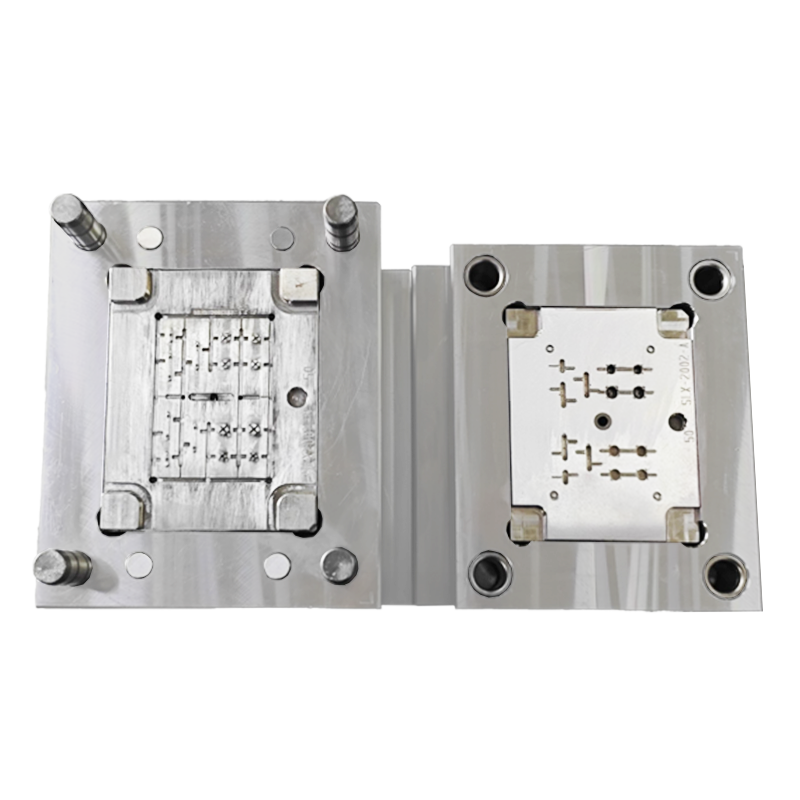
ABS parts boast excellent moldability in injection molding—high flowability fills complex cavities easily, ensuring precise dimensions and smooth surfaces, ideal for automotive, electronics, and household appliance components.

Table of Contents
- What Are ABS Parts?
- Core Advantages of ABS Parts
- ABS vs. PC, PP, PVC: Head-to-Head Comparison3.1 ABS vs. Polycarbonate (PC)3.2 ABS vs. Polypropylene (PP)3.3 ABS vs. Polyvinyl Chloride (PVC)3.4 Summary Comparison Table
- Key Applications of ABS Parts
- Conclusion
1. What Are ABS Parts?
2. Core Advantages of ABS Parts
- Exceptional impact resistance: The butadiene component grants ABS high toughness, allowing parts to withstand drops, collisions, and mechanical stress without cracking—critical for protecting internal components.
- Superior dimensional stability: ABS retains its shape under temperature fluctuations (-20°C to 80°C) and long-term use, ensuring precision in positioning parts like brackets or hinges.
- Easy moldability & machinability: ABS flows smoothly during injection molding, enabling complex designs (e.g., intricate enclosures or small, detailed positioning clips) at high production speeds.
- Excellent surface finish: ABS has a smooth, uniform surface that accepts paints, coatings, and textures, making it perfect for consumer-facing products where aesthetics matter.
- Cost-effectiveness: Compared to engineering plastics like PC, ABS offers comparable performance for most applications at a lower price point, supporting mass production.
3. ABS vs. PC, PP, PVC: Head-to-Head Comparison
3.1 ABS vs. Polycarbonate (PC)
- Strength & impact: PC is slightly more impact-resistant (shatterproof) than ABS, making it ideal for safety-critical applications (e.g., bulletproof glass). However, ABS offers sufficient toughness for most consumer/industrial enclosures at a lower cost.
- Heat resistance: PC handles higher temperatures (up to 130°C) than ABS (up to 80°C), but ABS is more moldable and easier to process into complex shapes.
- Cost: PC is 30-50% more expensive than ABS, making ABS the better choice for budget-conscious mass production.
3.2 ABS vs. Polypropylene (PP)
- Rigidity: ABS is significantly more rigid than PP, which tends to flex under stress. This makes ABS superior for positioning parts that require structural support (e.g., gear housings).
- Chemical resistance: PP resists chemicals better than ABS, but ABS offers better impact resistance and surface finish—key for enclosures that need both protection and aesthetics.
- Processing: PP is cheaper but harder to paint or bond, while ABS accepts coatings easily, expanding design options.
3.3 ABS vs. Polyvinyl Chloride (PVC)
- Durability: ABS is more durable and less brittle than PVC, which can crack over time or in cold temperatures. ABS is better for long-lasting positioning components.
- Safety: PVC releases toxic fumes when heated, while ABS is non-toxic and safer for indoor or consumer products.
- Flexibility: PVC can be made flexible (with plasticizers), but rigid PVC lacks ABS’s impact resistance and moldability.
3.4 Summary Comparison Table
| Property | ABS | PC | PP | PVC (Rigid) |
|---|---|---|---|---|
| Impact Resistance | High | Excellent | Good | Low |
| Dimensional Stability | High | High | Moderate | Moderate |
| Moldability | Excellent | Moderate | Good | Moderate |
| Heat Resistance (Max) | 80°C | 130°C | 80°C | 60°C |
| Cost | Low-Medium | High | Low | Low |
| Surface Finish & Customization | Excellent | Good | Poor | Moderate |
| Safety (Non-Toxic) | Yes | Yes | Yes | No (Toxic Fumes When Heated) |
4. Key Applications of ABS Parts
4.1 Electronics Industry
- Enclosures: Smartphone cases, laptop shells, router housings, and speaker cabinets.
- Positioning Components: Circuit board brackets, battery holders, and USB port clips.
4.2 Automotive Industry
- Enclosures: Dashboard panels, interior door trim, and center console casings.
- Positioning Components: Seat adjustment brackets, mirror housings, and gear shift knobs.
4.3 Household Appliances
- Enclosures: Washing machine control panels, refrigerator door liners, and blender bases.
- Positioning Components: Hinge supports, detergent drawer guides, and handle brackets.
4.4 Toy & Leisure Industry
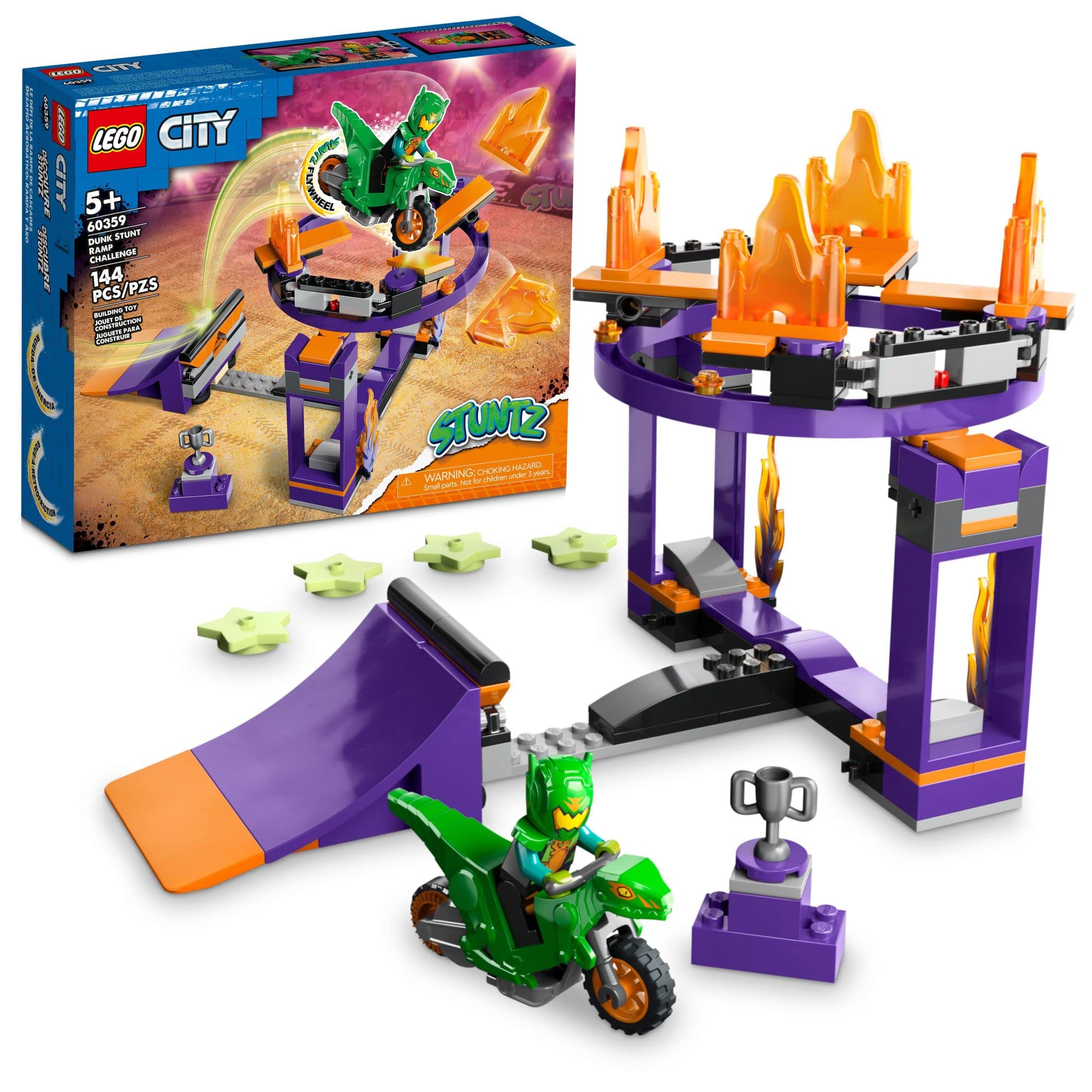
- Enclosures: Building blocks (e.g., LEGO), remote-controlled car bodies.
- Positioning Components: Wheel axles, joint connectors, and toy gear housings.
5. Conclusion
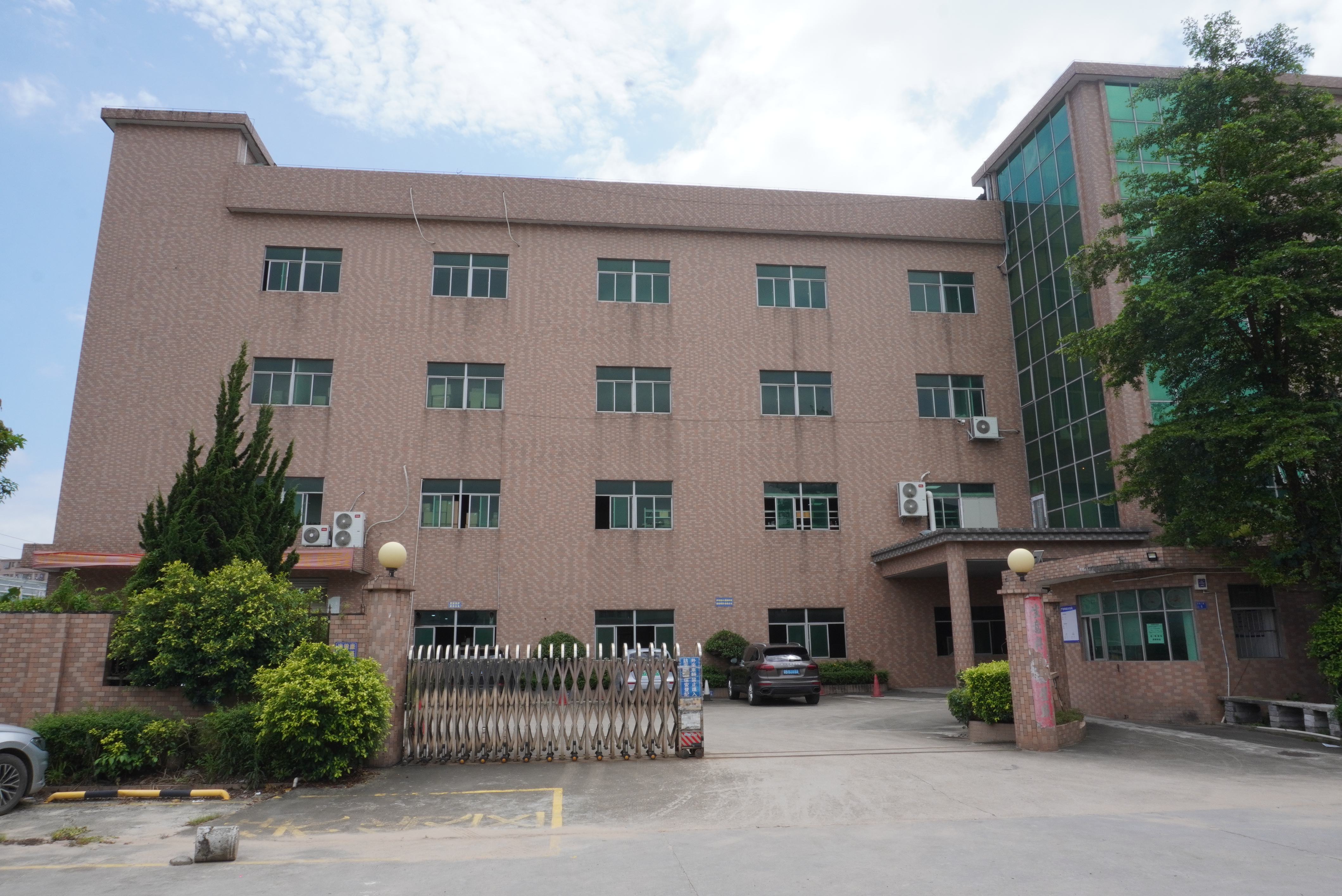
Dongguan Sanlixin Plastic Technology Co.,Ltd
Shenzhen Sanlixin Technology Co., Ltd. and Dongguan Sanlixin Plastic Technology Co., Ltd. is a manufacturer integrating precision plastic mold design, mold opening, single (double) color injection molding, IML injection molding processing, producing various single (double) color, IML process high-end appearance decorative structural parts, two-color buttons, USB dust plugs, panels and other plastic products, providing customers with fast, excellent, Midea all-round service, the company has 15 years of experience in precision plastic mold design, processing and production, with a variety of advanced machine injection molding equipment with excellent quality and fast service to win the trust and strong support of our customers.
3D Printing Technology: Revolutionizing the Injection Molding Industry – Key Advantages & Comparisons
The Essential Guide to Plastic Injection Insert Molding: Why It’s a Game-Changer in Manufacturing