3D Printing Technology: Revolutionizing the Injection Molding Industry – Key Advantages & Comparisons
3D printing technology transforms digital designs into physical objects layer by layer, enabling rapid prototyping and customized production across industries like aerospace and healthcare.
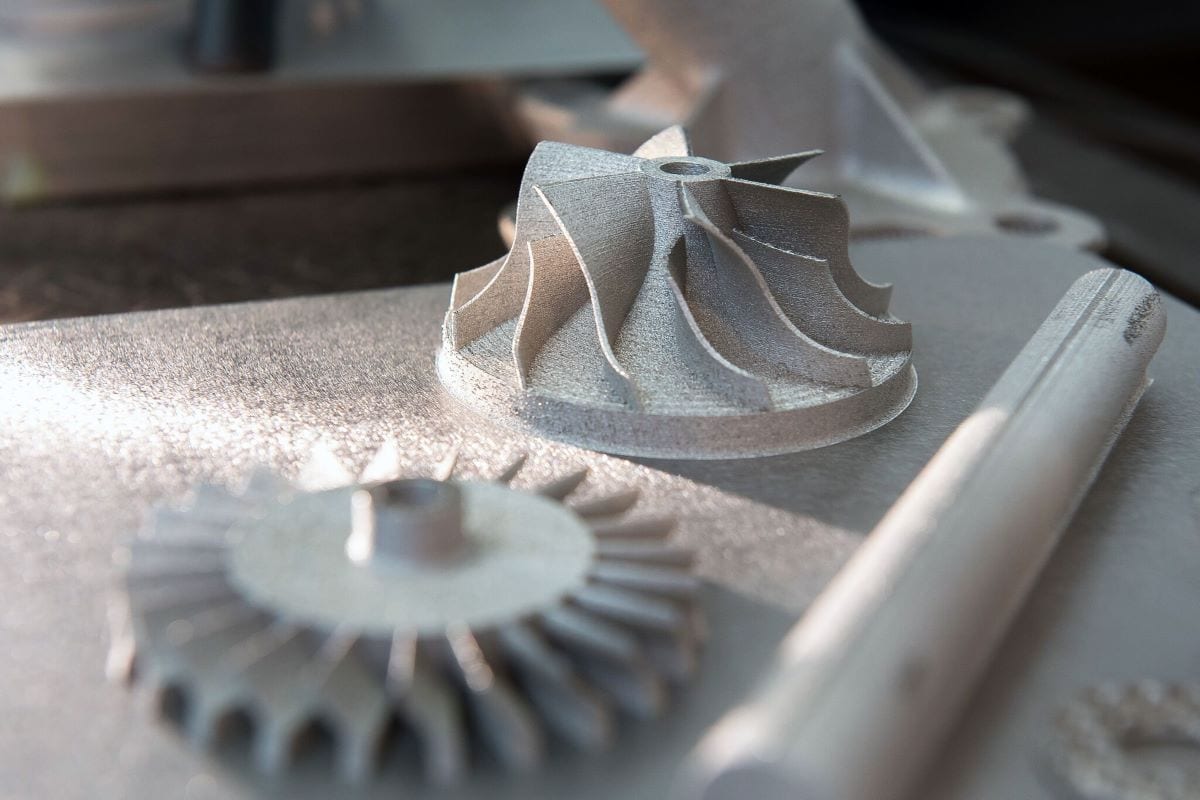
Table of Contents
- Introduction to 3D Printing Technology in Injection Molding
- Why 3D Printing Technology Matters for the Injection Molding Industry
- Core Advantages of 3D Printing Technology in Injection Molding
- 3D Printing vs. Other Manufacturing Materials/Processes: A Comparative Analysis
- Real-World Applications of 3D Printing in Injection Molding
- Future Trends: 3D Printing Technology Shaping the Next Era of Injection Molding
- Conclusion
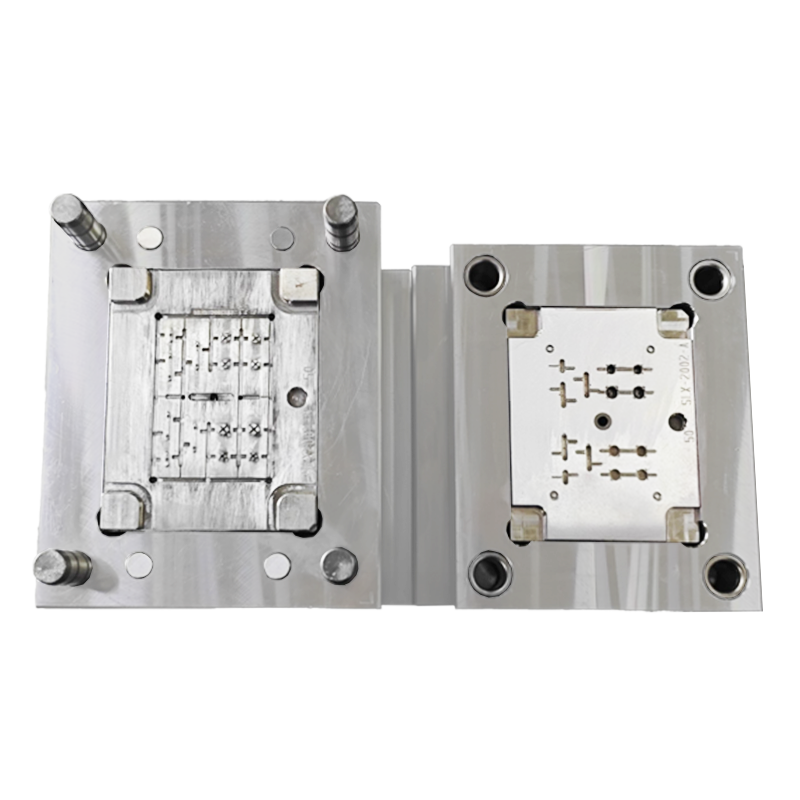
H2: Introduction to 3D Printing Technology in Injection Molding
H2: Why 3D Printing Technology Matters for the Injection Molding Industry
H3: 1. Accelerates Product Development Cycles
H3: 2. Reduces Risk in Design Validation
H3: 3. Enables On-Demand, Low-Volume Production
H2: Core Advantages of 3D Printing Technology in Injection Molding
H3: 1. Unmatched Design Freedom
H3: 2. Cost-Effective Prototyping & Tooling
H3: 3. Material Compatibility with Injection Molding Resins
H3: 4. Waste Reduction
H2: 3D Printing vs. Other Manufacturing Materials/Processes: A Comparative Analysis
H3: 1. 3D Printing vs. Traditional Injection Molding Molds
| Aspect | 3D Printing Technology | Traditional Metal Molds (Steel/Aluminum) |
|---|---|---|
| Lead Time | Days to weeks | Weeks to months |
| Upfront Cost | Low (no mold setup fees) | High (thousands to hundreds of thousands of dollars) |
| Volume Suitability | Low-to-medium runs (10–1,000 units) | High runs (10,000+ units) |
| Design Flexibility | Excellent (complex geometries) | Limited (requires mold splits for undercuts) |
| Durability | Moderate (resin molds: 50–500 cycles; metal 3D prints: 1,000+ cycles) | High (100,000+ cycles) |
H3: 2. 3D Printing vs. CNC Machining for Mold Prototyping
- 3D Printing: Faster for complex parts (no need for toolpath programming for undercuts). Lower material waste and cost for small batches.
- CNC Machining: More precise for high-tolerance parts. Better for rigid materials like metal or hard plastics. Higher waste and longer setup time for complex designs.
H3: 3. 3D Printing vs. Rapid Casting
- 3D Printing: Directly builds parts/molds without intermediate steps (e.g., creating a pattern for casting). Faster turnaround (hours vs. days) and lower labor costs.
- Rapid Casting: Better for metal parts that require high strength. Higher material costs and more manual labor (pattern creation, mold pouring).
H2: Real-World Applications of 3D Printing in Injection Molding
H3: 1. Automotive Industry
H3: 2. Medical Device Manufacturing
H3: 3. Consumer Electronics
H2: Future Trends: 3D Printing Technology Shaping the Next Era of Injection Molding
H3: 1. Larger Print Sizes & Faster Speeds
H3: 2. High-Performance Materials
H3: 3. Integration with Digital Twins
H2: Conclusion
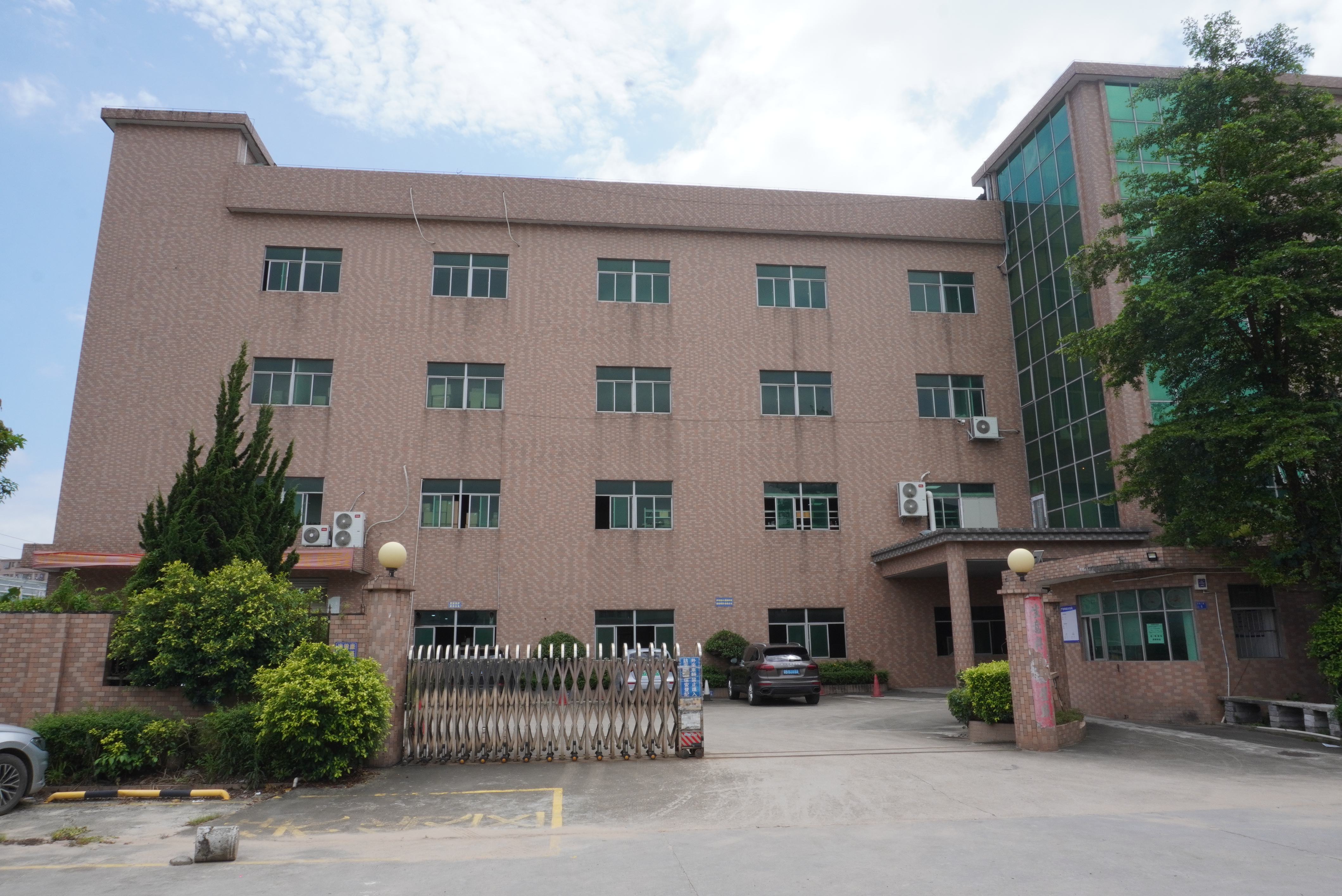
Dongguan Sanlixin Plastic Technology Co.,Ltd
Shenzhen Sanlixin Technology Co., Ltd. and Dongguan Sanlixin Plastic Technology Co., Ltd. is a manufacturer integrating precision plastic mold design, mold opening, single (double) color injection molding, IML injection molding processing, producing various single (double) color, IML process high-end appearance decorative structural parts, two-color buttons, USB dust plugs, panels and other plastic products, providing customers with fast, excellent, Midea all-round service, the company has 15 years of experience in precision plastic mold design, processing and production, with a variety of advanced machine injection molding equipment with excellent quality and fast service to win the trust and strong support of our customers.
PPS Parts: The Definitive Guide to Their Importance, Advantages, and Material Showdowns
ABS Parts: Why They’re the Go-To for High-Performance Plastic Components