3D Printing vs Compression Molding: Which One To Choose?

3D Printing vs Compression Molding: Which One To Choose?
Introduction
In the world of manufacturing, choosing the right production method is crucial for achieving optimal results. Two popular techniques, 3D printing and compression molding, offer distinct advantages and are suited for different applications. This article compares these two methods, highlighting their features, benefits, and ideal use cases to help you make an informed decision.
What is 3D Printing?
3D printing, also known as additive manufacturing, is a process that creates three-dimensional objects by layering material based on a digital model. It is widely used for prototyping, custom parts, and low-volume production.
Key Features of 3D Printing
- Layer-by-Layer Construction: Builds objects by adding material layer by layer.
- Material Variety: Uses plastics, metals, ceramics, and composites.
- Design Flexibility: Allows for complex geometries and intricate designs.
- Rapid Prototyping: Ideal for quick turnaround times and iterative design processes.
What is Compression Molding?
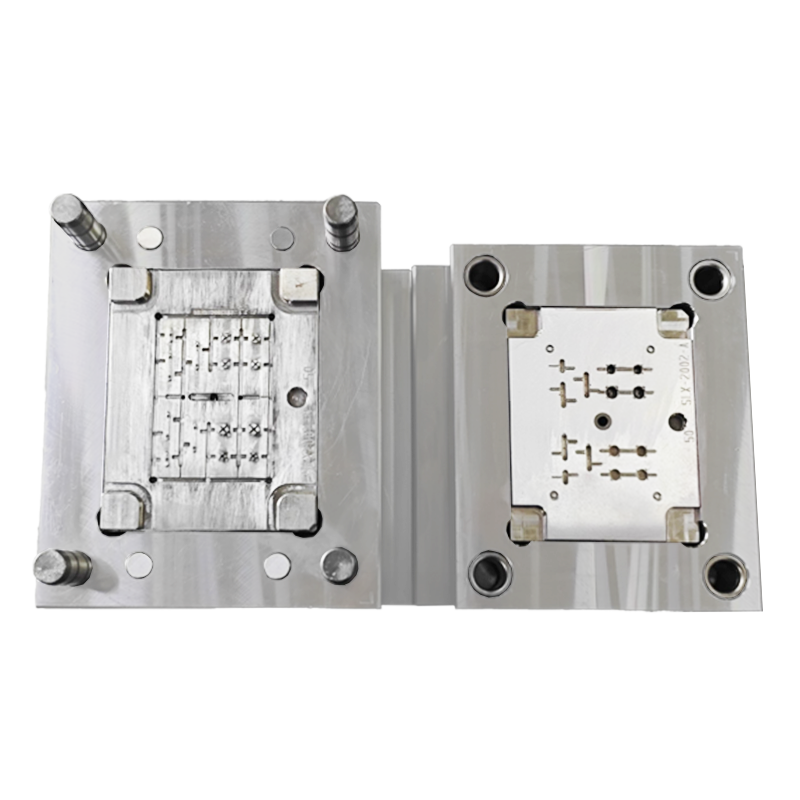
Compression molding is a manufacturing process where a preheated material is placed in a mold cavity and compressed to take the shape of the mold. It is commonly used for high-volume production of durable parts.
Key Features of Compression Molding
- High Pressure and Heat: Uses heat and pressure to shape the material.
- Material Variety: Suitable for thermosetting plastics, composites, and rubber.
- High-Volume Production: Efficient for producing large quantities of parts.
- Durability: Produces strong and durable parts with excellent mechanical properties.
Comparing 3D Printing and Compression Molding
To determine which method is best for your needs, it's important to compare 3D printing and compression molding across several key factors.
1. Production Volume
- 3D Printing: Best suited for low to medium volumes, prototypes, and custom parts.
- Compression Molding: Ideal for high-volume production and standardized parts.
2. Material Options
- 3D Printing: Offers a wide range of materials, including plastics, metals, and composites.
- Compression Molding: Primarily uses thermosetting plastics, composites, and rubber.
3. Design Complexity
- 3D Printing: Excels at creating complex geometries and intricate designs.
- Compression Molding: Better suited for simpler, more uniform shapes.
4. Cost Considerations
- 3D Printing: Lower initial costs for prototypes and small batches; higher per-part cost for large volumes.
- Compression Molding: Higher initial tooling costs; lower per-part cost for high volumes.
5. Production Speed
- 3D Printing: Slower for large volumes but faster for prototypes and custom parts.
- Compression Molding: Faster for high-volume production once the mold is created.
6. Part Durability
- 3D Printing: Parts may have lower strength and durability compared to compression-molded parts.
- Compression Molding: Produces strong, durable parts with excellent mechanical properties.
Applications of 3D Printing and Compression Molding
Both 3D printing and compression molding have unique applications across various industries.
3D Printing Applications
- Prototyping: Rapid prototyping and iterative design processes.
- Custom Parts: Custom medical implants, dental devices, and personalized products.
- Low-Volume Production: Small batches of specialized components.
Compression Molding Applications
- Automotive: Durable parts such as bumpers, dashboards, and seals.
- Consumer Goods: High-volume production of items like kitchenware and appliance components.
- Industrial: Strong and durable components for machinery and equipment.
Choosing the Right Method for Your Needs
When deciding between 3D printing and compression molding, consider the following factors:
1. Production Volume
Choose 3D printing for low to medium volumes and compression molding for high-volume production.
2. Design Complexity
Opt for 3D printing if your design involves complex geometries; choose compression molding for simpler shapes.
3. Material Requirements
Consider the material properties needed for your application and select the method that best accommodates those materials.
4. Budget and Timeline
Evaluate your budget and production timeline to determine which method aligns with your financial and time constraints.
Conclusion
Both 3D printing and compression molding offer unique advantages and are suited for different applications. 3D printing excels in prototyping, custom parts, and low-volume production, while compression molding is ideal for high-volume production of durable, standardized parts. By understanding the strengths and limitations of each method, you can make an informed decision that best meets your manufacturing needs. Whether you prioritize design flexibility, production speed, or cost efficiency, choosing the right method is key to achieving successful outcomes in your projects.

Dongguan Sanlixin Plastic Technology Co.,Ltd
Shenzhen Sanlixin Technology Co., Ltd. and Dongguan Sanlixin Plastic Technology Co., Ltd. is a manufacturer integrating precision plastic mold design, mold opening, single (double) color injection molding, IML injection molding processing, producing various single (double) color, IML process high-end appearance decorative structural parts, two-color buttons, USB dust plugs, panels and other plastic products, providing customers with fast, excellent, Midea all-round service, the company has 15 years of experience in precision plastic mold design, processing and production, with a variety of advanced machine injection molding equipment with excellent quality and fast service to win the trust and strong support of our customers.
Avoiding Two-Shot Injection Molding Defects: Key to Enhancing Product Quality
Types of Injection Molds: Examining Various Categories and Features