Consider 3D Printing to Improve Your Products and Reduce Your Production Costs
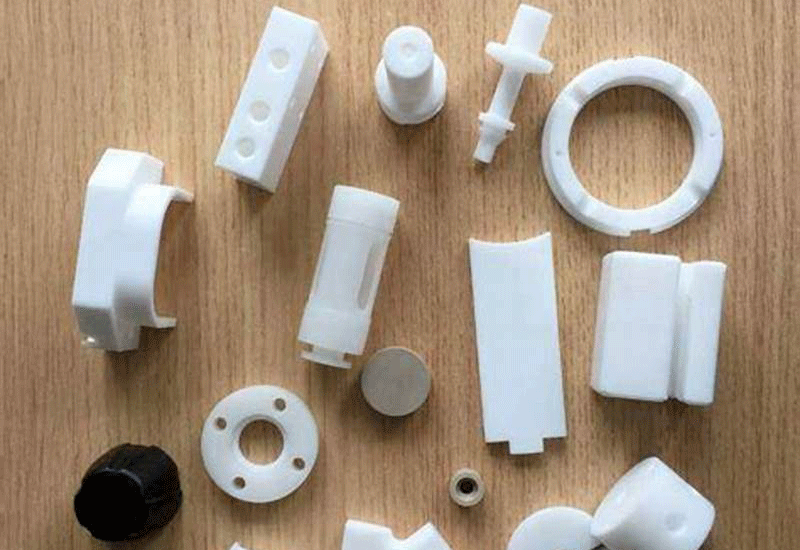
Consider 3D Printing to Improve Your Products and Reduce Your Production Costs
Why 3D Printing is a Game-Changer for Manufacturing
3D printing, also known as additive manufacturing, has revolutionized the way products are designed, prototyped, and produced. This technology offers numerous advantages, including improved product quality, faster time-to-market, and significant cost savings. If you're looking to enhance your products and streamline your production process, here’s why you should consider integrating 3D printing into your workflow.
1. Rapid Prototyping and Iteration
One of the most significant benefits of 3D printing is its ability to accelerate the prototyping process. Traditional prototyping methods can be time-consuming and expensive, often requiring specialized tooling and lengthy lead times. With 3D printing, you can quickly produce prototypes directly from digital designs, allowing for faster iteration and refinement. This enables you to test and validate your designs more efficiently, reducing the time it takes to bring a product to market.
2. Cost-Effective Low-Volume Production
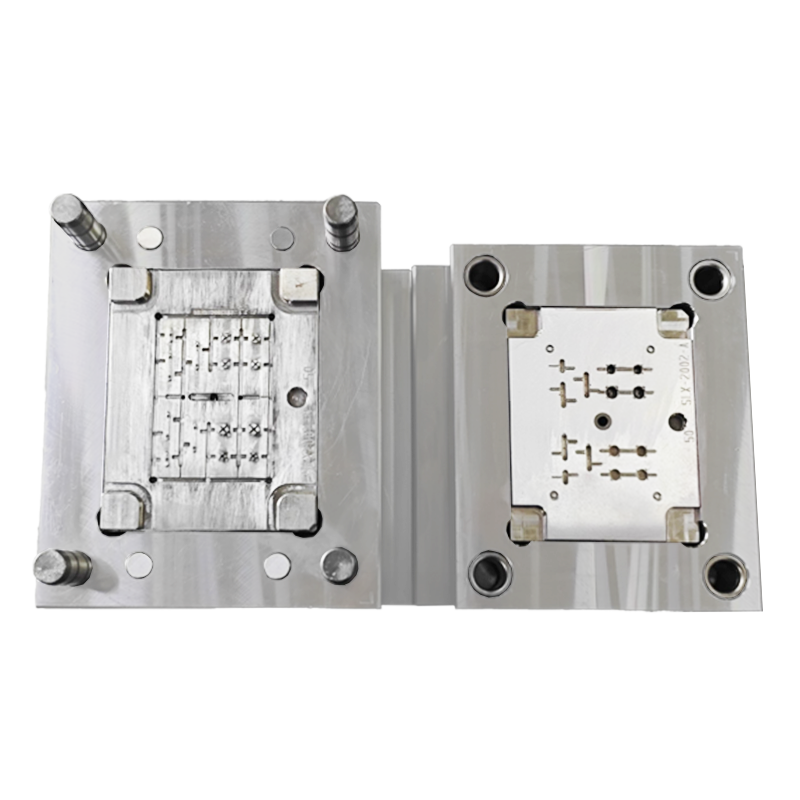
For low-volume production runs, 3D printing can be a cost-effective alternative to traditional manufacturing methods like injection molding. Injection molding requires expensive tooling and setup costs, which may not be justified for small batches. 3D printing eliminates the need for tooling, allowing you to produce small quantities of parts at a lower cost. This is particularly beneficial for custom or niche products, where demand may not justify large-scale production.
3. Design Freedom and Complexity
3D printing offers unparalleled design freedom, enabling the creation of complex geometries that would be difficult or impossible to achieve with traditional manufacturing methods. This allows you to optimize your product designs for performance, weight, and material usage. For example, you can create lightweight, lattice-structured components that maintain strength while reducing material costs. This level of design flexibility can lead to innovative products that stand out in the market.
4. Reduced Material Waste
Traditional manufacturing processes, such as machining, often generate significant material waste. In contrast, 3D printing is an additive process, meaning it builds parts layer by layer using only the material needed. This not only reduces material costs but also minimizes waste, making 3D printing a more sustainable option. Additionally, many 3D printing materials are recyclable, further enhancing its environmental benefits.
5. Customization and Personalization
3D printing excels in producing customized and personalized products. Whether you’re creating medical devices tailored to individual patients or consumer products with unique designs, 3D printing allows for easy customization without the need for additional tooling or setup. This capability can open up new markets and revenue streams for your business.
Applications of 3D Printing in Various Industries
3D printing is versatile and can be applied across a wide range of industries. Here are a few examples:
- Healthcare: Custom prosthetics, dental implants, and surgical guides.
- Aerospace: Lightweight components and complex engine parts.
- Automotive: Prototyping, custom parts, and tooling.
- Consumer Goods: Customized products, fashion accessories, and home decor.
- Industrial Manufacturing: Jigs, fixtures, and replacement parts.
Steps to Integrate 3D Printing into Your Workflow
If you’re considering adopting 3D printing, follow these steps to ensure a smooth integration:
- Evaluate Your Needs: Identify the areas where 3D printing can add the most value, such as prototyping, low-volume production, or customization.
- Choose the Right Technology: Select a 3D printing technology that aligns with your material and performance requirements. Common options include FDM, SLA, SLS, and metal 3D printing.
- Invest in Training: Ensure your team is trained in 3D design and printing techniques to maximize the technology’s potential.
- Start Small: Begin with pilot projects to test the technology and refine your processes before scaling up.
- Partner with Experts: Collaborate with 3D printing service providers or consultants to leverage their expertise and resources.
Conclusion
3D printing offers a transformative approach to product development and manufacturing, enabling faster prototyping, cost-effective production, and innovative designs. By integrating 3D printing into your workflow, you can improve your products, reduce production costs, and stay competitive in an ever-evolving market. Whether you’re a small business or a large enterprise, now is the time to explore the potential of 3D printing for your operations.
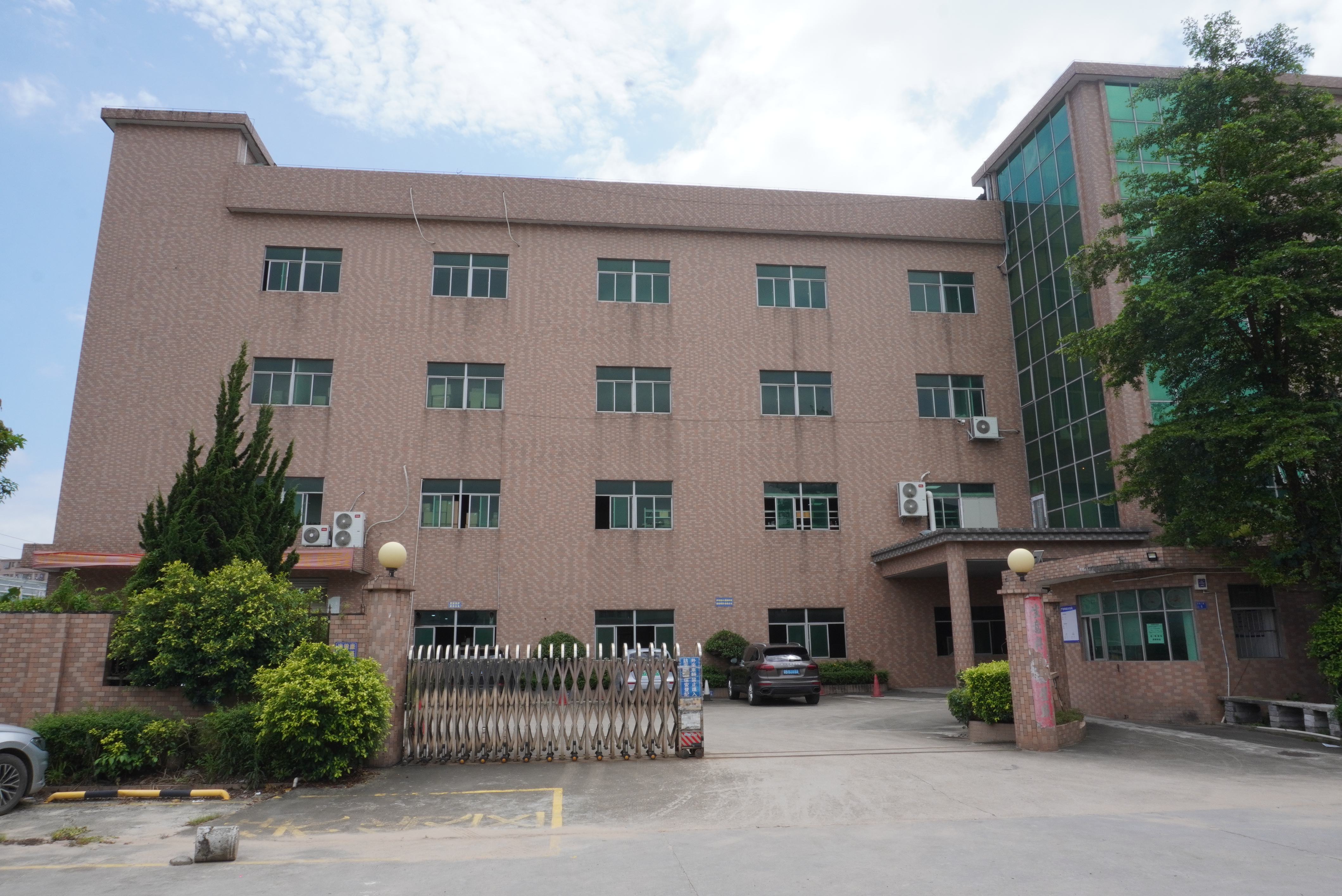
Dongguan Sanlixin Plastic Technology Co.,Ltd
Shenzhen Sanlixin Technology Co., Ltd. and Dongguan Sanlixin Plastic Technology Co., Ltd. is a manufacturer integrating precision plastic mold design, mold opening, single (double) color injection molding, IML injection molding processing, producing various single (double) color, IML process high-end appearance decorative structural parts, two-color buttons, USB dust plugs, panels and other plastic products, providing customers with fast, excellent, Midea all-round service, the company has 15 years of experience in precision plastic mold design, processing and production, with a variety of advanced machine injection molding equipment with excellent quality and fast service to win the trust and strong support of our customers.
Top Design Considerations for Injection Molding
Switching Your Injection Molder? Consider These First