The Hidden Charms of LEGO Gifts: More Than Just Building, They're Memories That "Grow"
Unleash creativity with LEGO gifts! Build, imagine, and explore endless worlds—perfect for kids and kids at heart. A gift that sparks joy and lasting memories.
Table of Contents
Introduction: LEGO Gifts as Timeless Treasures
The Backbone of LEGO Magic: Injection Molding Unveiled
A Deep Dive into LEGO's Injection Molding Process
Materials That Make the Magic: The Plastics Behind LEGO
- Toughness: ABS can take a beating. It’s resistant to impact, so a LEGO brick can be dropped, stepped on, and even chewed on (by curious toddlers) without breaking.
- Stiffness: While it’s tough, ABS is also stiff enough to hold its shape. A LEGO tower won’t sag under its own weight, and a brick won’t bend or warp during play.
- Shine and Color: ABS has a smooth, glossy finish that takes color beautifully. Whether it’s a bright red fire truck or a deep blue ocean scene, LEGO bricks retain their vibrant hues even after years of use.
- Machinability: ABS flows easily when molten, which is essential for filling the intricate molds that make LEGO bricks so detailed.
- Polypropylene (PP): This plastic is more flexible than ABS, making it perfect for parts like hinges, wheels, and minifigure arms and legs. It can bend and move without breaking, which is why the minifigure in your LEGO gift can wave, sit, or hold a tiny tool.
- Polycarbonate (PC): Clear and strong, PC is used for transparent parts like windows, windshields, and light covers. It’s resistant to scratches and doesn’t yellow over time, so that castle’s stained - glass windows will stay bright for years.
- Thermoplastic Elastomers (TPEs): These are rubber - like plastics used for soft parts, such as tires, backpacks on minifigures, or the fuzzy manes on LEGO horses. They add a tactile element to LEGO sets, making them even more fun to play with.
Why Injection Molding Is Irreplaceable in Toy Manufacturing
Precision Personified: How Injection Molding Ensures LEGO's Quality
- Drop Tests: Bricks are dropped from a height of 1.5 meters (about 5 feet) onto a hard surface to check for cracks or breaks.
- Crush Tests: A weight is placed on top of a stack of bricks to see how much pressure they can withstand (spoiler: it’s a lot—enough to support the weight of a small child).
- Torsion Tests: Bricks are twisted to check for flexibility and strength.
- Chemical Tests: Bricks are exposed to chemicals like soap and sunscreen to ensure they don’t discolor or degrade.
- Safety Tests: Bricks are checked for sharp edges, small parts that could be a choking hazard, and harmful chemicals (LEGO bricks are 100% BPA - free and meet all international safety standards).
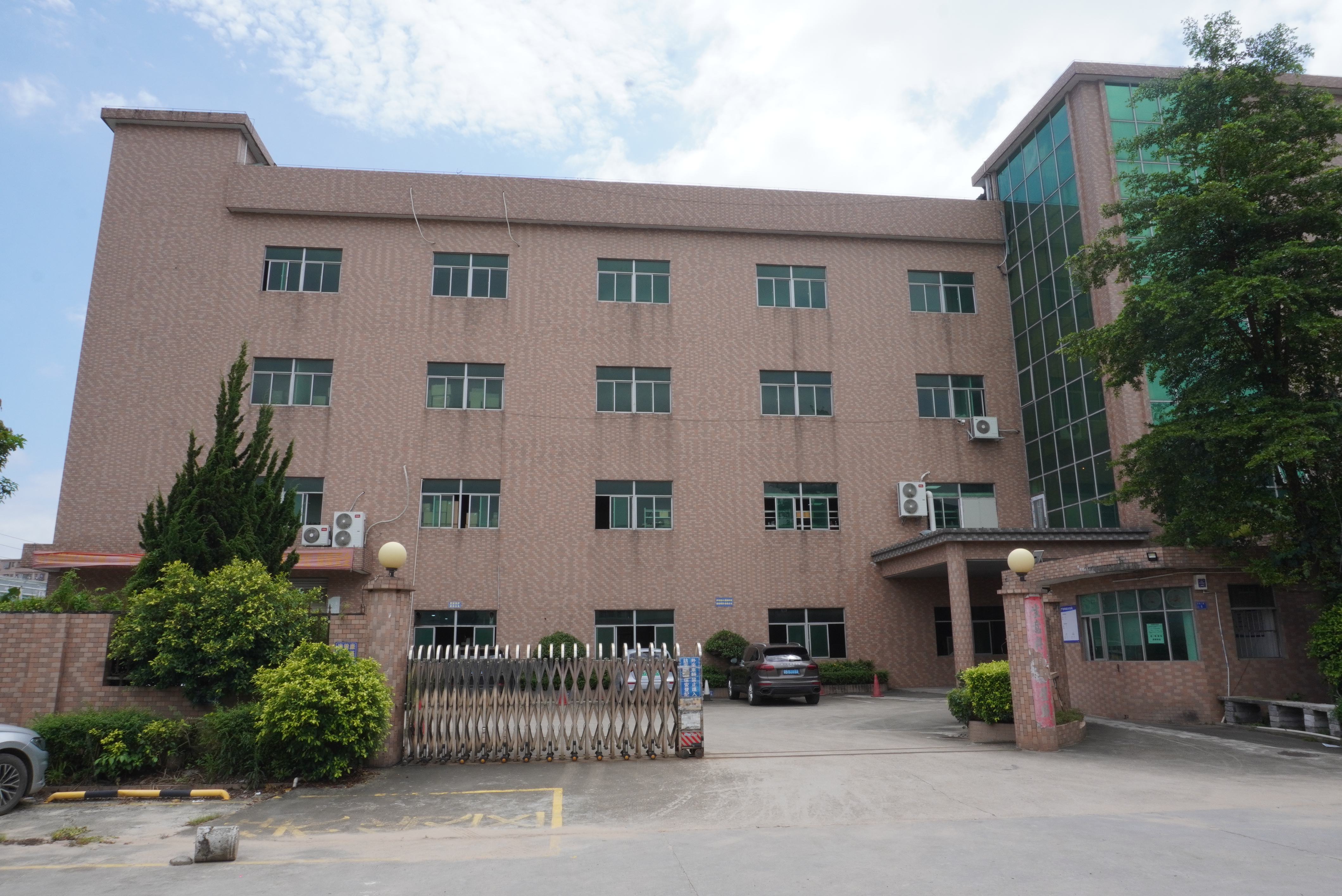
Dongguan Sanlixin Plastic Technology Co.,Ltd
Shenzhen Sanlixin Technology Co., Ltd. and Dongguan Sanlixin Plastic Technology Co., Ltd. is a manufacturer integrating precision plastic mold design, mold opening, single (double) color injection molding, IML injection molding processing, producing various single (double) color, IML process high-end appearance decorative structural parts, two-color buttons, USB dust plugs, panels and other plastic products, providing customers with fast, excellent, Midea all-round service, the company has 15 years of experience in precision plastic mold design, processing and production, with a variety of advanced machine injection molding equipment with excellent quality and fast service to win the trust and strong support of our customers.
Celebrity Faces Reimagined in Lego: Viral Portraits Blend Nostalgia and Innovation
LEGO Galaxy Explorer: Building Your Own Interstellar Adventure, One Brick at a Time
Related Article