
From Mold to Finished Product: The Hardcore Application of Injection Molding Technology in the Toy Industry —— Taking Labubu as an Example
Labubu, a mischievous yet charming creature with fluffy fur and big curious eyes, brings playful energy everywhere. Its quirky antics and warm vibe make it an endearing companion.
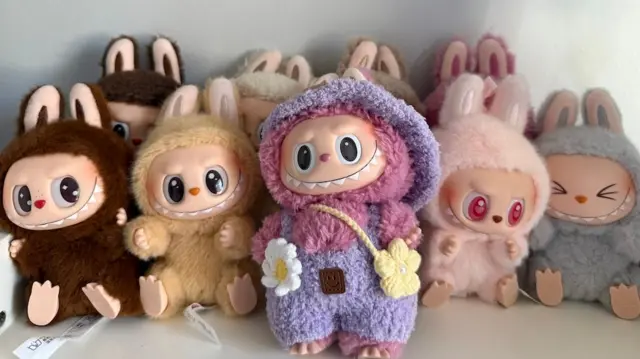
Table of Contents
Introduction: The Toy Industry and Injection Molding Technology
The Basics of Injection Molding Technology
The Principle of Injection Molding
The Components of an Injection Molding Machine
- The Injection Unit: This is where the magic of melting and injecting the material begins. The injection unit consists of a hopper, which is used to feed the raw plastic pellets or granules into the machine. These materials then enter a heated barrel. Inside the barrel, a screw - type mechanism rotates, mixing and melting the plastic as it moves forward. The rotation of the screw also creates the pressure necessary to inject the molten plastic into the mold. The temperature of the barrel is carefully controlled to ensure that the plastic reaches the optimal molten state for injection. Different types of plastics have different melting points, so the temperature settings need to be adjusted accordingly. For example, polypropylene, a commonly used plastic in toy manufacturing, has a melting point in the range of 160 - 170°C, while acrylonitrile - butadiene - styrene (ABS), another popular choice, melts at around 200 - 240°C.
- The Clamping Unit: The clamping unit is responsible for holding the mold in place during the injection process. It applies a high - pressure force to keep the two halves of the mold tightly closed, preventing the molten plastic from escaping. The clamping force required depends on the size and complexity of the mold, as well as the pressure at which the plastic is being injected. Larger and more intricate molds may require clamping forces of several tons. The clamping unit also controls the opening and closing of the mold, which is a crucial step in the overall injection molding cycle.
- The Mold: The mold is perhaps the most critical component of the injection molding machine. It is custom - designed to create the specific shape of the toy. Molds are typically made from high - quality steel or aluminum, which can withstand the high pressures and temperatures involved in the injection molding process. A mold consists of two halves: the stationary half, which is attached to the fixed platen of the injection molding machine, and the moving half, which is attached to the movable platen. The two halves of the mold come together to form a cavity that is an exact replica of the toy's shape. The mold also has channels, known as runners and gates, through which the molten plastic flows from the injection unit into the cavity. The design of these runners and gates is carefully optimized to ensure that the plastic fills the cavity evenly and without any air pockets or voids.
Materials Used in Injection Molding for Toys
- Thermoplastics: Thermoplastics are by far the most commonly used materials in toy injection molding. They have the advantage of being able to be melted and re - melted multiple times without undergoing any significant chemical change. This makes them highly suitable for the injection molding process, as the plastic can be easily processed and recycled if necessary. Some of the most popular thermoplastics used in toy manufacturing include:
-
- Acrylonitrile - Butadiene - Styrene (ABS): ABS is a versatile plastic known for its excellent impact resistance, high strength, and good surface finish. It is often used for making toys that require durability and a high - quality appearance, such as action figures, building blocks, and toy vehicles. Labubu figures, for example, often have parts made from ABS to ensure they can withstand handling and display without easily breaking.
-
- Polypropylene (PP): PP is a lightweight, flexible, and cost - effective plastic. It has good chemical resistance and is often used for toys that need to be flexible, such as squeezable toys or parts of toys that require some degree of bendability. It is also relatively easy to color, making it suitable for creating bright and attractive toys.
-
- Polyethylene (PE): There are different types of polyethylene, such as high - density polyethylene (HDPE) and low - density polyethylene (LDPE). HDPE is known for its toughness and rigidity, while LDPE is more flexible. PE is commonly used for toys like plastic bags, bottles, and some simple toy structures.
- Thermosetting Polymers: Although less common than thermoplastics in the toy industry, thermosetting polymers also find some applications. Once thermosetting polymers are cured (hardened) through a chemical reaction, usually by heat or a catalyst, they cannot be remelted or reshaped. They are often used in situations where high heat resistance or chemical resistance is required. For example, in some toys that may be exposed to high temperatures during play or storage, thermosetting polymers can be used for certain components to ensure their integrity. However, their processing is more complex and less forgiving compared to thermoplastics, which limits their widespread use in the toy industry.
- Elastomers: Elastomers are rubber - like materials that can stretch and return to their original shape. They are used in toys to add elements of softness, flexibility, and grip. For instance, the tires on toy cars may be made of an elastomeric material to provide better traction, or the handles of some toys may be coated with elastomer to make them more comfortable to hold. Silicone rubber is a popular type of elastomer used in toy manufacturing due to its excellent flexibility, heat resistance, and non - toxicity.
The Injection Molding Process in the Toy Industry: A Closer Look with Labubu as an Example
Designing the Toy: The Birth of Labubu's Appearance and Structure
Mold Making: The Precision Foundation for Mass Production
The Injection Molding Operation: Transforming Materials into Toys
Quality Control: Ensuring Every Labubu Meets Standards
The Significance of Injection Molding Technology in the Toy Industry
High - Volume Production to Meet Market Demand

Dongguan Sanlixin Plastic Technology Co.,Ltd
Shenzhen Sanlixin Technology Co., Ltd. and Dongguan Sanlixin Plastic Technology Co., Ltd. is a manufacturer integrating precision plastic mold design, mold opening, single (double) color injection molding, IML injection molding processing, producing various single (double) color, IML process high-end appearance decorative structural parts, two-color buttons, USB dust plugs, panels and other plastic products, providing customers with fast, excellent, Midea all-round service, the company has 15 years of experience in precision plastic mold design, processing and production, with a variety of advanced machine injection molding equipment with excellent quality and fast service to win the trust and strong support of our customers.
When Injection Molding Meets Trendy Toys: The Production Secrets and Industry Insights of Bearbrick Labubu
The Injection Molding Precision Creates the Classic of Labubu: The Manufacturing Power Behind the Trendy Toy IP
Related Article