Customized 3D Injection Molds: Shortening Development Cycles + Enhancing Durability, the Key to High-End Plastic Part Manufacturing
3D injection molds, based on precise 3D design, adapt to complex plastic part molding with high precision and stability, efficiently meeting mass production needs in automotive and electronics.
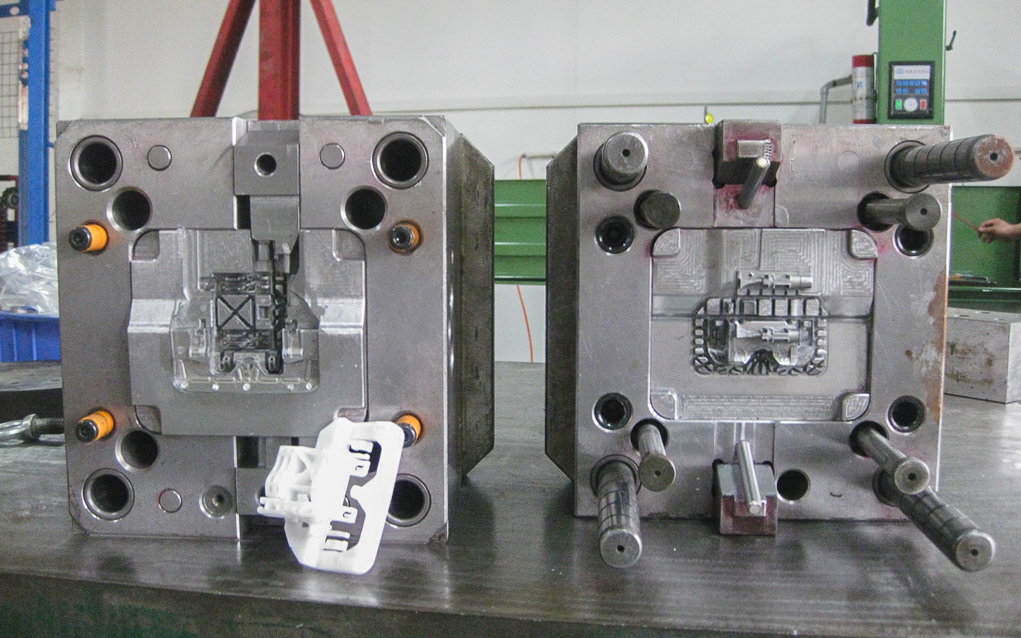
Table of Contents
1. Introduction: Background and Value Proposition
2. Core Advantages: Shortening Development Cycles & Enhancing Durability
2.1 Shortening Development Cycles: Streamlining Workflows
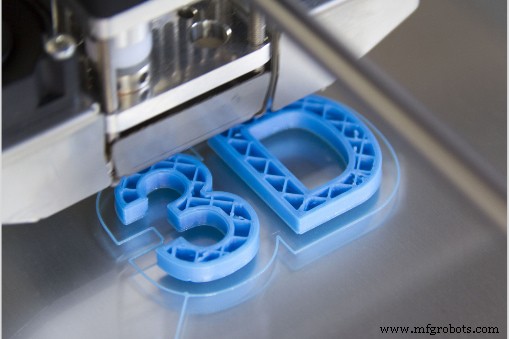
- Rapid Prototyping Integration: Production-grade metal 3D-printed prototypes (identical to final molds) enable 100–1,000 test cycles. Adjustments (e.g., fixing cooling flaws) take 24–48 hours to reprint, vs. 2–3 weeks for traditional machining. Example: An auto supplier fixed EV battery connector warping via a 36-hour reprint, speeding production by 6 weeks.
- Digital Design Optimization: CAD/simulation tools (Autodesk Fusion 360) simulate plastic flow, cooling, and structural integrity ( <5% margin of error), cutting iterations from 3–4 to 1–2. A medical firm reduced design time by 40% by fixing mold core stress digitally.
- Parallel Workflows: 3D printers are prepped (powder loading, calibration) while designs are finalized; molds print as single units (base + cavity + cooling channels), slashing assembly time by 60–70%. A tech firm developed a smartphone camera mold in 5 days (vs. 10 days traditional).
2.2 Enhancing Durability: Materials & Structural Innovations
- High-Performance Materials: Beyond H13/P20 steel, 3D molds use maraging steel (500°C resistance, 200,000+ cycles), Inconel 718 (corrosion-resistant, 150,000+ cycles), and titanium alloy (biocompatible for medical use). A medical firm extended PEEK implant mold life from 45,000 to 160,000 cycles with Inconel 718.
- Topology Optimization: Tools like Altair OptiStruct remove low-stress material (20–30% lighter molds) and reinforce high-stress zones, plus add conformal cooling (uniform temps, less warping). An aerospace firm’s optimized mold lasted 180,000 cycles (50% longer than traditional).
- Precision Surface Treatments: PVD (2,000–3,000 HV ceramic coating), CVD (tungsten carbide), and laser peening resist wear/fatigue. A Tier 1 auto supplier produced 120,000 EV motor housings (vs. 70,000 with nitrided molds) via PVD-coated molds.
3. Industry Applications in High-End Plastic Part Manufacturing
3.1 Automotive: EV & Luxury Components
3.2 Medical Devices: Biocompatibility & Sterility
3.3 Electronics: Miniaturization & Heat Resistance
4. Implementation Challenges and Future Trends
4.1 Key Challenges & Solutions
- High Initial Investment: Metal 3D printers (\(200k–\)1M) deter SMEs. Fixes: Outsource to Xometry/Protolabs (\(5k–\)10k per mold), use grants (U.S. MEP, EU Horizon Europe), or lease equipment (\(3k–\)5k/month). An Ohio SME recouped costs via a 50% grant-funded mold (30% lower production costs).
- Skilled Personnel Shortage: 70% of U.S. manufacturers struggle to hire 3D experts (Manufacturing Institute, 2024). Fixes: Partner with MIT’s Additive Manufacturing Center for certifications, train traditional mold makers (Toyota’s 90% success rate program), or hire freelancers (Upwork).
- Inconsistent QC: Lack of uniform standards leads to defects. Fixes: Follow ASTM F2924 (SLM control), use NDT (CT scans for 0.1 mm porosity), and real-time monitoring (EOS EOSTATE). A German medical firm cut part defects from 2% to 0.1% with CT scans.
4.2 Future Trends
- AI-Driven Design: ML enables predictive maintenance (30–40% less downtime), generative design (hundreds of options in hours), and defect forecasting (20–30% faster development). Siemens’ AI platform cuts design time by 50%; Gartner predicts 80% adoption by 2027.
- Sustainability: Bio-based materials (Biofabricate’s 50% lower carbon photopolymers) and closed-loop recycling (90% less powder waste) reduce environmental impact. BMW uses recycled aluminum (40% lower carbon) and aims for 100% sustainable materials by 2030.
- Multi-Material Co-Injection: 3D molds inject multiple materials (rigid plastic + flexible rubber) simultaneously, cutting production time by 50%. Stratasys’ solution targets 30% of high-end parts by 2028 (IDC).
5. Conclusion
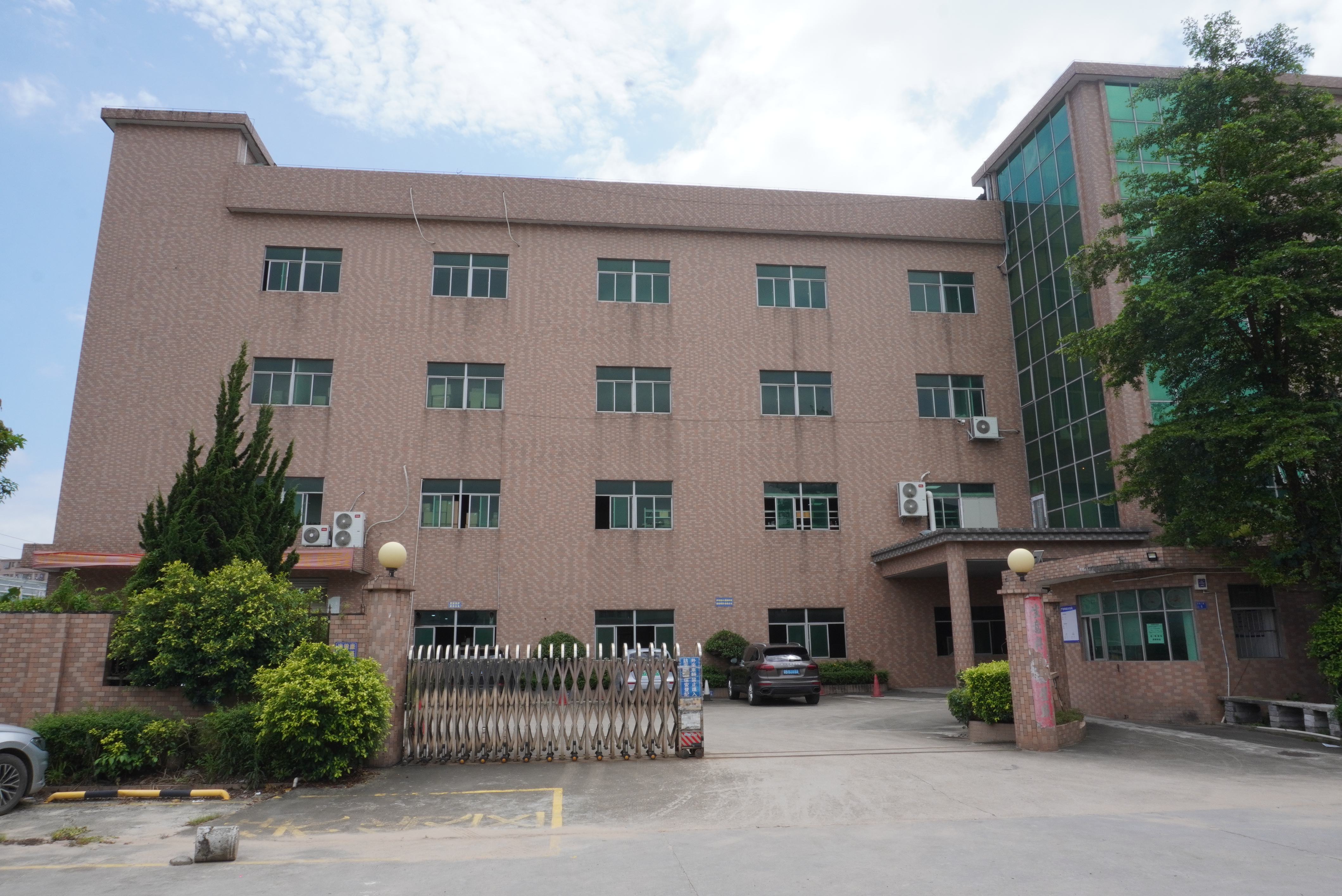
Dongguan Sanlixin Plastic Technology Co.,Ltd
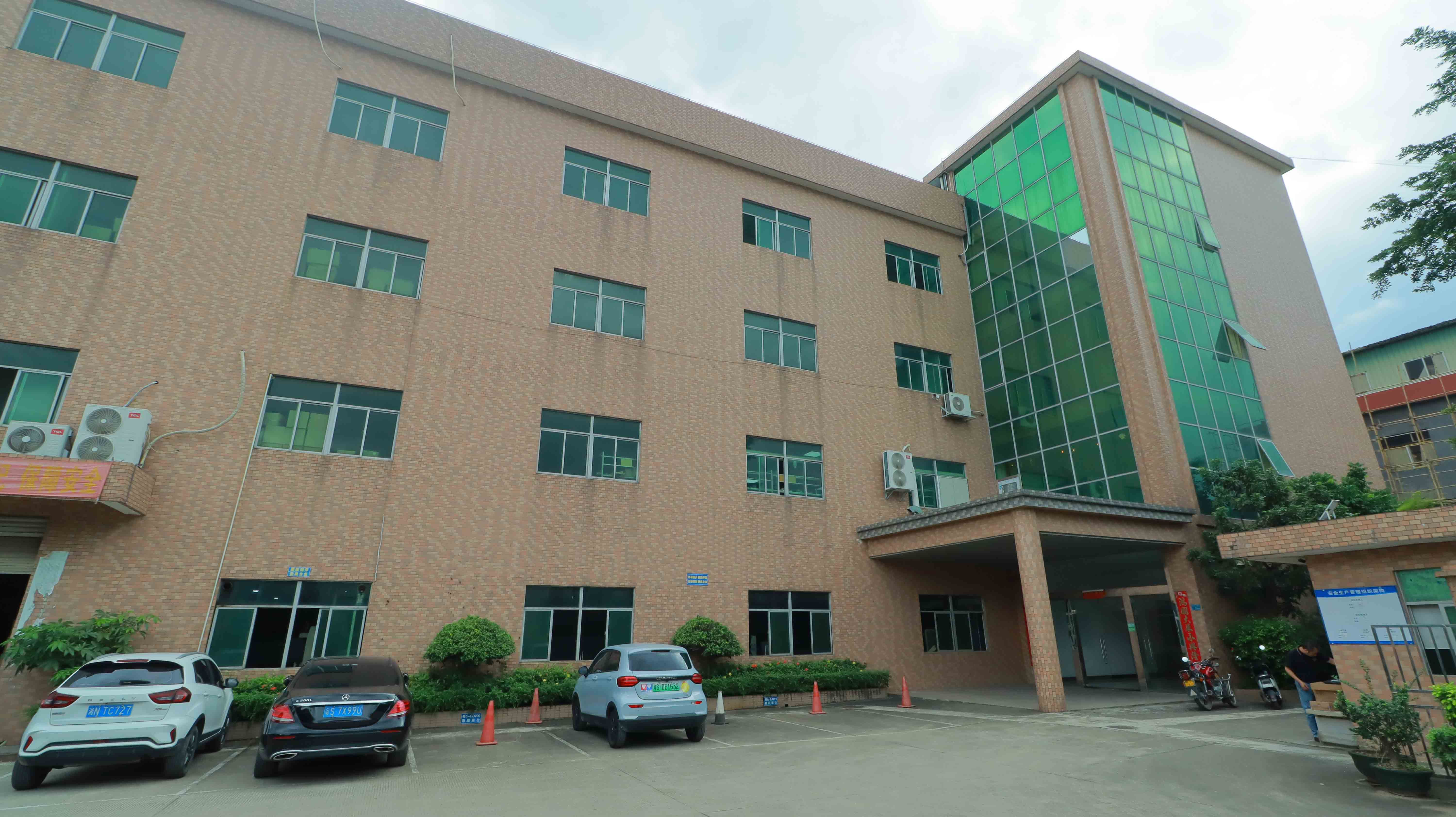
Shenzhen Sanlixin Technology Co., Ltd. and Dongguan Sanlixin Plastic Technology Co., Ltd. is a manufacturer integrating precision plastic mold design, mold opening, single (double) color injection molding, IML injection molding processing, producing various single (double) color, IML process high-end appearance decorative structural parts, two-color buttons, USB dust plugs, panels and other plastic products, providing customers with fast, excellent, Midea all-round service, the company has 15 years of experience in precision plastic mold design, processing and production, with a variety of advanced machine injection molding equipment with excellent quality and fast service to win the trust and strong support of our customers.
Plastic Mold Injection Companies: The Cornerstone of High-Quality Manufacturing – Advantages, Comparisons & Industry Insights
Fat Massager Practical Test: Target Stubborn Fat + Relieve Muscle Soreness, Start the "Light Shaping" Mode at Home
Related Article